
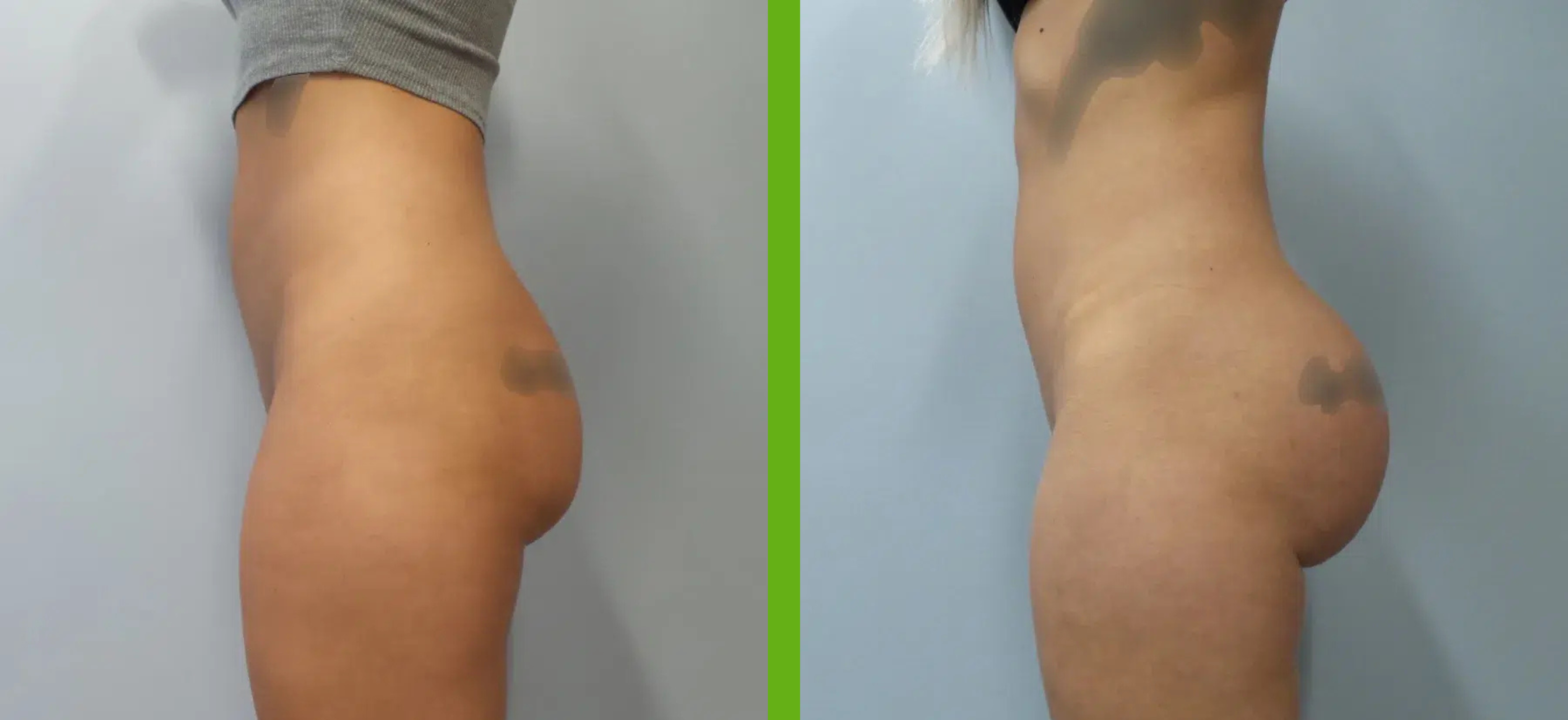
Silicon Butt Implant
Some people feel their buttocks lack volume, shape, or projection due to genetics, ageing, or weight loss. Even with exercise, it may be difficult to achieve fuller, well-shaped buttocks that balance the lower body.
This concern can affect confidence in fitted clothing, jeans, or swimwear. You may feel your body proportions are uneven, with the lower body appearing flat or less defined.
Silicon butt implant surgery enhances the size and shape of the buttocks using specially designed implants that provide long-lasting volume and structure. At WFY Plastic Surgery, the focus is on creating a natural-looking contour that complements your body frame.
What the treatment includes
- Detailed assessment of body proportions and desired outcome
- Selection of appropriate implant size and shape
- Surgical placement of implants for balanced projection
- Careful incision planning to minimise visible scarring
- Post-operative guidance for sitting, movement, and recovery
- Regular follow-ups to monitor healing and results
The procedure helps create fuller, more contoured buttocks while maintaining overall body harmony.
FAQs
1. What Are the Different Types and Styles of Butt Implants Available?
Many patients feel confused when they hear there are multiple implant types and worry about choosing the wrong one. The right implant style plays a major role in how natural the result looks and how stable it remains over time. Butt implants are available in four main styles, each designed for different body structures and aesthetic goals.
Anatomical implants (Style 1 and Style 2) are teardrop-shaped and directional. They are chosen when a very specific contour or projection is required. These implants must be positioned with precision, as even slight rotation can affect the final shape. Because of this, they rely heavily on surgical expertise and are best suited for carefully selected cases.
Round or non-directional implants (Style 3) are the most commonly used option. Their symmetrical shape allows them to sit naturally without the risk of rotation. They provide balanced augmentation, work well for most body types, and offer flexibility in placement. This makes them a reliable and predictable choice for the majority of patients.
Custom implants (Style 4) are designed for patients with significant asymmetry or unique anatomical concerns. These implants are created using imaging and are mirrored for each side to achieve optimal symmetry. While they are more expensive and require custom manufacturing, they deliver superior correction in complex cases.
Implants are available in multiple sizes and projections, ranging from subtle enhancement to more dramatic volume. During consultation, your surgeon will help you select an option that suits your body proportions, lifestyle, and long-term expectations.
2. Am I a Good Candidate for Butt Implant Surgery?
Many people desire fuller buttocks but are unsure if surgery is right for them. Butt implant surgery is most suitable for individuals who want noticeable enhancement that cannot be achieved through exercise or diet alone, especially when there is insufficient fat for a Brazilian Butt Lift.
You may be a good candidate if you are in generally good health, do not smoke or are willing to quit well before and after surgery, and have no history of poor wound healing or severe scarring. Stable weight, realistic expectations, and the ability to follow recovery instructions are equally important.
During consultation, your surgeon will assess skin elasticity, muscle thickness, body proportions, and overall medical fitness. Psychological readiness and clarity about your motivation for surgery are also carefully evaluated.
Patients who smoke heavily, have uncontrolled medical conditions, unstable weight, or unrealistic expectations may be advised to delay or avoid surgery until these factors are addressed. Achieving a stable and healthy baseline significantly improves both safety and results.
3. What Happens During the Butt Implant Surgery?
Uncertainty about the surgical process often causes anxiety. Knowing what to expect helps you feel more confident and prepared. On the day of surgery, you will arrive fasting, undergo final markings, and discuss implant placement with your surgical team.
The procedure is performed under general or epidural anaesthesia. A discreet incision is usually placed in the natural crease between the buttocks so it remains hidden during daily activities. Through this incision, a precise pocket is created either within the muscle, below it, or above the muscle fascia, depending on your anatomy and desired outcome.
The implant is carefully inserted and positioned to ensure symmetry and natural projection. Once placement is confirmed, the incision is closed and a compression garment is applied. After a short monitoring period, you are discharged with clear recovery instructions and pain management guidance.
In some cases, implants may be combined with liposuction or fat transfer to enhance overall body contour and achieve better balance.
4. What Is the Recovery Timeline and Activity Restrictions?
Recovery after butt implant surgery requires discipline, especially in the early weeks. The biggest concern during healing is protecting the implant position.
In the first week, pain and swelling are expected, and sitting is strictly avoided. Sleeping is limited to the stomach or side, and activity is minimal. Walking is encouraged in short intervals to promote circulation.
By the second week, discomfort reduces gradually, and limited sitting with special cushions may be allowed if approved by your surgeon. Normal sitting usually resumes by the third or fourth week. Light exercise and office work are often possible during this phase.
By six weeks, most patients return to regular activities and gym workouts. Over the next few months, swelling continues to subside, and the implants soften and settle into a more natural position. Final results are typically seen between three and six months.
Following sitting restrictions and wearing compression garments as advised are the most critical factors for a successful outcome.
5. Will I Have Visible Scars, and How Are They Managed?
Concerns about scarring are common. Butt implant incisions are placed strategically to keep scars hidden. The most common incision lies within the natural crease between the buttocks, making it virtually invisible during normal activities and even in swimwear.
Scars initially appear red or raised but gradually fade and flatten over several months. With proper care, most scars become barely noticeable within a year.
Sun protection, silicone-based products, gentle massage after healing, and good nutrition all support optimal scar maturation. In rare cases where scars thicken, treatments such as laser therapy or injections can further improve appearance.
6. What Are the Potential Risks and Complications of Butt Implant Surgery?
Every surgical procedure carries risks, and understanding them helps you make an informed decision. Common concerns include infection, fluid accumulation, bruising, and swelling, most of which are manageable when detected early.
More serious but less frequent risks include implant displacement, capsular contracture, nerve irritation, and asymmetry. These are often linked to surgical technique or non-compliance with recovery instructions, particularly sitting restrictions.
Choosing an experienced, board-certified plastic surgeon, disclosing your full medical history, and strictly following post-operative guidelines significantly reduce complication risks.
7. How Long Do Butt Implants Last, and Will I Need Revision Surgery?
Patients often worry about how permanent their results will be. Modern silicone butt implants are designed to last around 10 to 15 years, and many patients enjoy their results even longer.
Revision surgery may be needed due to natural ageing, changes in aesthetic preference, weight fluctuations, or rare complications. When revisions are required, they are usually performed to adjust size or refresh results rather than due to implant failure.
Maintaining a stable weight, protecting the area from trauma, and attending regular follow-ups help extend implant longevity.
8. How Much Does Butt Implant Surgery Cost, and Is It Covered by Insurance?
Cost is an important consideration. Butt implant surgery is typically considered a cosmetic procedure and is not covered by insurance. Pricing varies depending on surgeon expertise, facility fees, implant type, and geographic location.
The total cost generally includes the surgeon’s fee, anaesthesia, hospital or surgical centre charges, implants, and follow-up care. Financing options are often available to make the procedure more accessible.
In rare reconstructive cases, partial insurance coverage may be possible, but this requires detailed medical documentation and prior approval.
9. Who Is a Good Candidate, and What Preparation Is Needed Before Surgery?
Successful outcomes depend on careful preparation. Ideal candidates are physically healthy adults with stable weight, good skin elasticity, realistic expectations, and a strong commitment to recovery guidelines.
Preparation begins weeks before surgery and includes smoking cessation, medical clearance, stopping certain medications and supplements, arranging post-operative support, and preparing your home for recovery.
Following all pre-operative instructions closely reduces surgical risks and ensures smoother healing, helping you achieve the best possible result from your butt implant surgery.
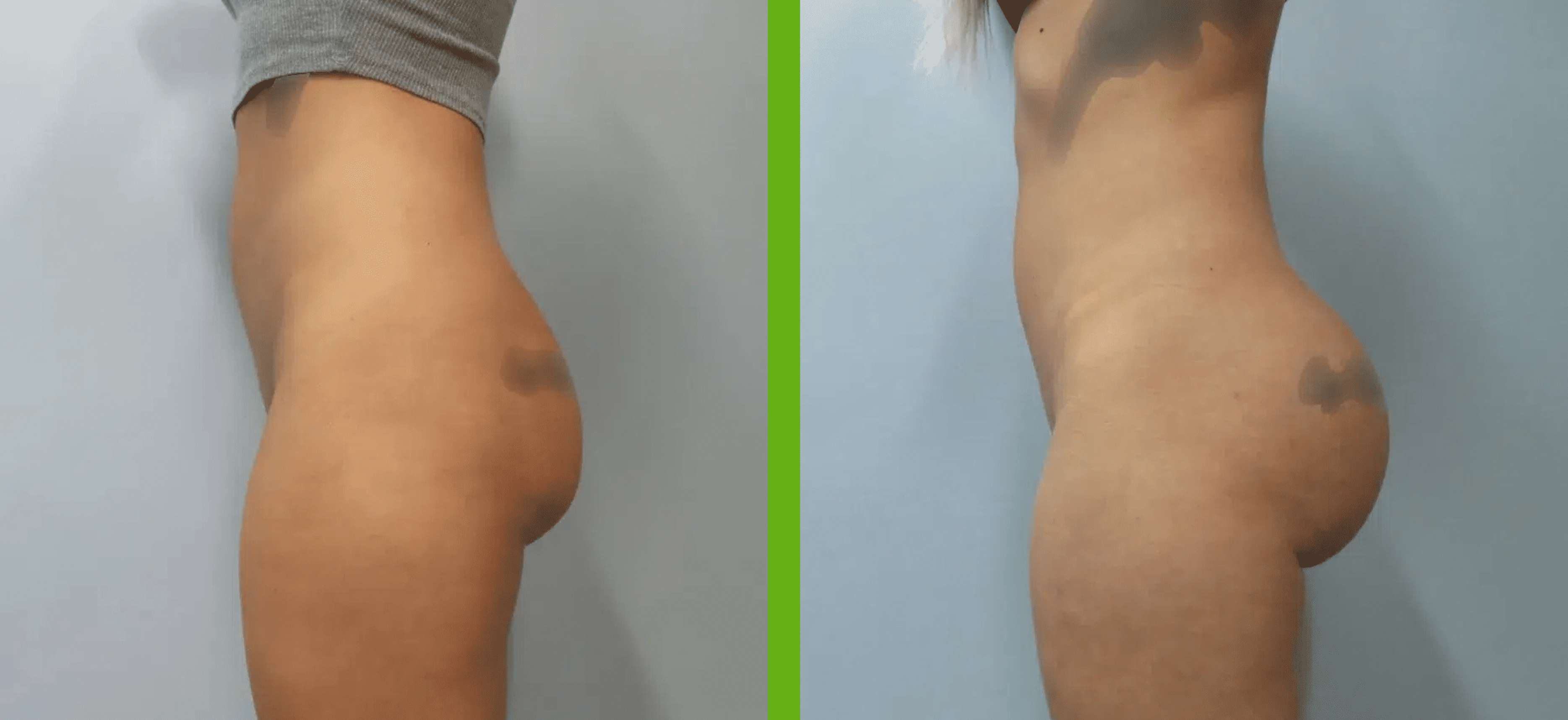
"I’m really happy with the new shape. It looks more balanced now and fits better in clothes."
"Result is good, body looks more shaped now. Healing took patience and first days were not easy honestly. Little swelling was there but it reduced slowly. Overall happy with change, just need time to fully settle I think."
"Shape came out really good, looks natural not fake. I was scared before surgery but now happy I did it."
How Tele Consultation works
Submit an inquiry
tell us what is troubling you, attach any reports.
A representative
A representative from the medical team will reach out to coordinate a suitable time between you and the specialist.
Instantly via Mobile
You will receive a phone call or video link to join for your appointment with the doctor.
Proper Consultation
Join the meeting and a proper consultation is conducted by the doctor during your assigned time slot. Doctor will provide a diagnosis and treatment plan for your condition.