
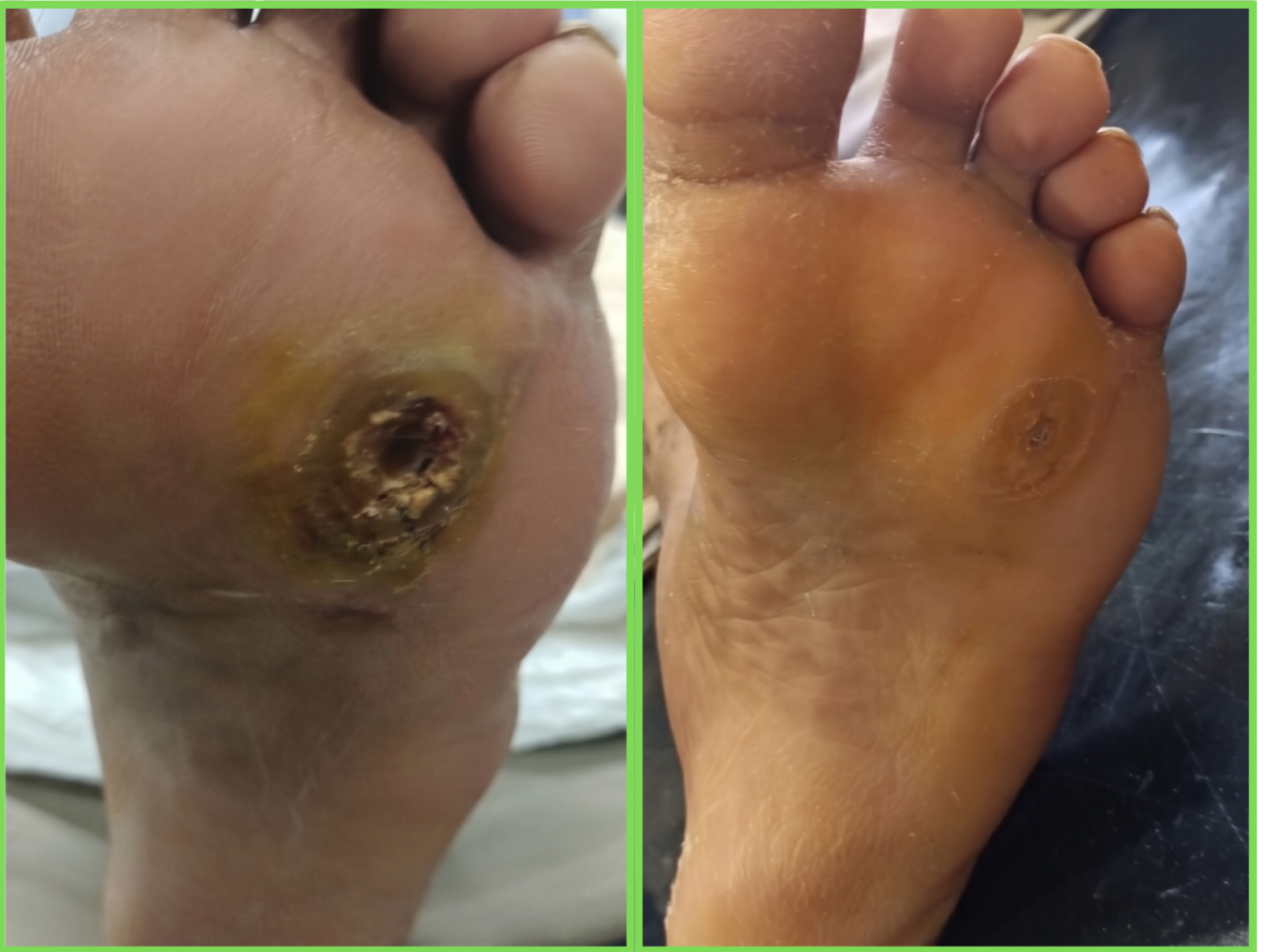
Diabetic Foot
India has one of the largest diabetic populations in the world. When blood sugar remains uncontrolled for many years, it slowly damages the nerves and blood vessels in the feet. This condition is known as Diabetic Foot. If left untreated, even a small wound can turn into a serious infection and in very severe cases may lead to amputation.
The good news is that with timely and expert care, the foot can almost always be saved.
These situations can be deeply distressing. You may notice a wound that simply refuses to heal, feel a persistent numbness in your feet, or worry silently about losing a limb. Diabetes is a condition that needs to be managed every single day, and when it starts affecting your feet, getting the right specialist involved early makes all the difference.
What is Diabetic Foot?
When blood sugar stays high for a long time, two major problems develop in the feet. The first is nerve damage, where the feet lose their ability to feel sensation. A patient may not notice a cut or wound until it has already become deep and infected. The second is poor blood circulation, where wounds heal very slowly or not at all, and infections can spread quickly to deeper tissues and even to the bone. Together these two problems cause what is called a Diabetic Foot Ulcer, which is one of the most difficult wounds to treat in medicine.
Warning Signs You Should Not Ignore
Please consult a specialist without delay if you notice any of the following. A wound on the foot that is not healing even after weeks of dressing changes, swelling, redness, or a foul smell from the foot, blackening or darkening of the toes known as Gangrene, numbness or burning sensation in the feet, discharge of pus, or any visible deformity of the foot are all serious warning signs. If a person has had diabetes for more than ten years, especially with poor sugar control, regular foot checkups are extremely important.
What Does the Treatment Include?
Every patient is treated differently based on how serious their condition is. Our team of specialists works together to plan the best possible treatment for each individual.
Wound Cleaning (Debridement) is the most important first step. All dead and infected tissue is surgically removed so that the wound can begin to heal properly.
Abscess Drainage involves opening pockets of pus inside the foot and cleaning them thoroughly to stop the infection from spreading further into the foot or bloodstream.
Restoring Blood Flow is done when circulation to the foot is poor. Procedures like Angioplasty or Bypass Surgery open blocked blood vessels because without good blood supply no wound can heal properly.
Reconstructive Surgery uses Skin Grafts or Flap procedures to close deep wounds that cannot heal on their own. Foot deformities that cause pressure points are also corrected to prevent new ulcers from forming in the future.
Bone Infection Treatment becomes necessary when the infection has reached the bone. Surgical cleaning or removal of the infected bone is done to completely eliminate the infection.
Amputation is always the absolute last resort and is only considered when the infection becomes life threatening and every other option has been exhausted. Our goal at every stage is to save as much of the foot as possible.
Consulting the best diabetic foot surgeon in Gurgaon at the earliest stage gives you the best possible chance of avoiding serious complications.
Advanced Wound Care Therapies
For wounds that do not respond to standard treatment, several advanced therapies are available. VAC Therapy applies controlled negative pressure to the wound, drawing out excess fluid and helping healthy tissue grow faster. Hyperbaric Oxygen Therapy involves breathing pure oxygen in a pressurised chamber, which increases oxygen delivery to the wound and improves healing. Growth Factor Therapy uses concentrated growth factors from the patient's own blood and applies them directly to the wound to stimulate natural healing. Offloading Devices like specialised footwear and casts reduce pressure on the wound so it can heal without repeated damage from walking.
Recovery After Surgery
In the first one to two weeks, some swelling and mild discomfort are normal. Regular wound dressings, strict blood sugar control, and rest are very important during this time. Between weeks two and six, gradual improvement becomes visible and walking with support may begin depending on the surgery. By three to six months, most patients achieve complete healing. Long term recovery depends greatly on blood sugar control, proper footwear, and regular follow up visits with the treating team.
Frequently Asked Questions
Is diabetic foot surgery painful?
Anaesthesia is given during the procedure so the patient remains completely comfortable throughout. Some mild soreness after surgery is normal and is managed well with prescribed medicines. Book a consultation with the best diabetic foot surgeon in Gurgaon to understand what to expect before, during, and after your procedure.
How long does recovery take?
For simpler cases, recovery takes around four to twelve weeks. For more complex situations it may take three to six months. Keeping blood sugar under control and following wound care instructions carefully are the two most important factors that decide how fast recovery happens. Consult the best diabetic foot surgeon in Gurgaon to receive a clear recovery plan suited to your condition and lifestyle.
Will I be able to walk normally after surgery?
Yes, in most cases. With proper healing and the right supportive footwear, the majority of patients return to comfortable and independent walking. Meet the best diabetic foot surgeon in Gurgaon to understand which treatment approach will give you the best long term outcome for your foot.
Can diabetic foot be treated without surgery?
In early and mild cases, good diabetes management and proper foot care can prevent new ulcers from forming. However, deep infections, bone involvement, and gangrene cannot be treated with medicines alone and surgery becomes necessary. Speak to the best diabetic foot surgeon in Gurgaon to find out whether your condition needs surgical intervention or can be managed conservatively.
How can I prevent this from happening again?
Check your feet every day for any cuts, blisters, or changes in skin colour. Always wear well fitting protective footwear. Keep your blood sugar under tight control at all times. Visit your doctor for a foot examination every three to six months without fail. Schedule a follow up with the best diabetic foot surgeon in Gurgaon to keep your foot health on track for the long term.
Consult Our Specialist Today
Diabetic Foot is a silent emergency. The longer a wound is left untreated, the greater the risk of serious infection and the lower the chances of saving the foot. Our experienced team has one goal and that is getting you back on your feet safely and confidently.
A small wound on a diabetic foot is never truly small. Seek expert care early because your foot depends on it.
How Tele Consultation works
Submit an inquiry
tell us what is troubling you, attach any reports.
A representative
A representative from the medical team will reach out to coordinate a suitable time between you and the specialist.
Instantly via Mobile
You will receive a phone call or video link to join for your appointment with the doctor.
Proper Consultation
Join the meeting and a proper consultation is conducted by the doctor during your assigned time slot. Doctor will provide a diagnosis and treatment plan for your condition.