
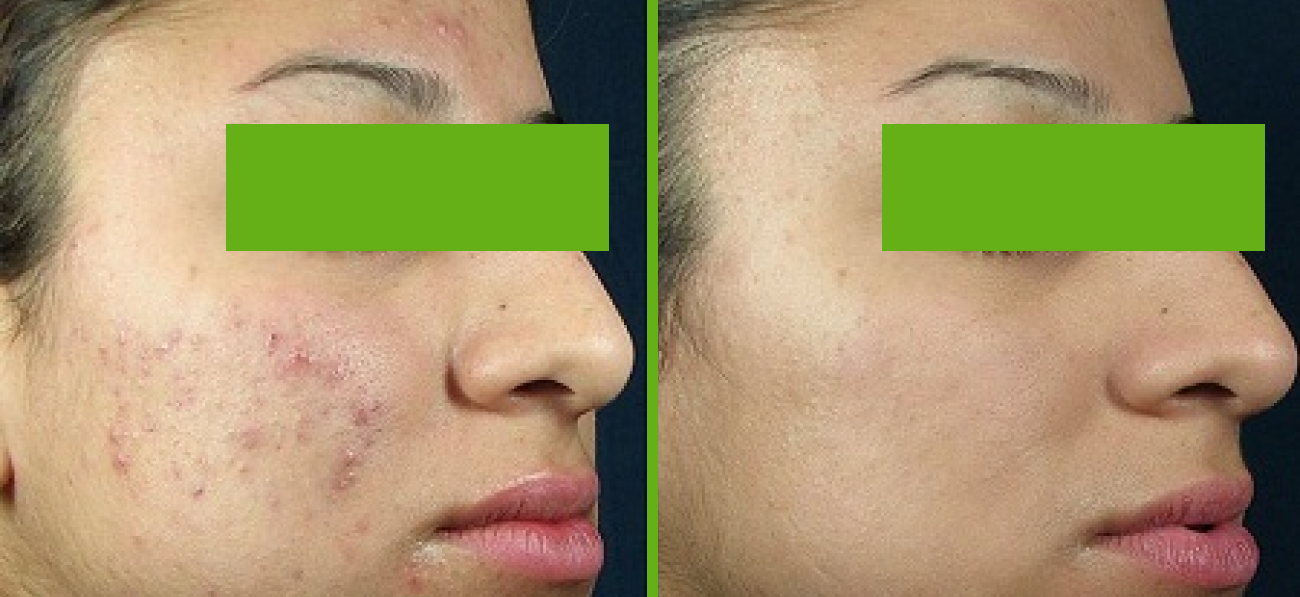
Chemical Peels
Dull skin, uneven tone, pigmentation, acne marks, or fine lines can make the skin look tired and rough. Daily exposure to pollution, sun damage, and stress often worsens skin texture over time.
When regular skincare fails to improve skin quality, it can feel discouraging. Uneven skin tone and persistent marks may affect confidence, especially without makeup.
Chemical peels improve skin texture and clarity by gently exfoliating damaged outer layers of skin. At WFY Plastic Surgery, peels are customised based on skin type and concerns to ensure safe and effective results.
What the treatment includes
• Skin analysis to select the appropriate peel strength
• Controlled application of medical-grade peeling solution
• Removal of dead skin cells and stimulation of skin renewal
• Improvement in pigmentation, acne marks, and texture
• Gradual brightening and smoother skin
• Post-peel skincare guidance for healing and protection
Chemical peels help reveal clearer, brighter, and healthier-looking skin over time.
FAQs
1. What Are the Different Types of Chemical Peels?
Uneven skin tone, dullness, acne marks, and early ageing signs often do not improve with regular skincare alone. Chemical peels are categorised based on how deeply they act on the skin, which also affects results and recovery time.
Light peels work on the surface layer and help with mild dryness, rough texture, and fine lines. Medium peels go deeper and are commonly used for acne scars, pigmentation, and more noticeable wrinkles. Deep peels act on deeper skin layers and are reserved for severe sun damage and deep wrinkles, with longer recovery.
A consultation with a plastic surgeon helps decide which peel depth is safest and most effective for your skin.
2. Does a Chemical Peel Hurt?
Fear of pain often makes people hesitant about chemical peels. The sensation depends on the strength of the peel used. Light peels usually cause mild tingling that settles quickly. Medium peels can cause a stronger stinging or burning feeling for some time during the procedure. Deep peels are more intense and may require pain control measures to keep you comfortable.
Your plastic surgeon will recommend a peel that balances comfort, safety, and results for your skin concerns.
3. How Long Is the Recovery After a Chemical Peel?
Many people worry about how long they will need to stay indoors after a peel. Recovery time depends on the depth of the peel. Light peels usually heal within a few days with mild redness and flaking. Medium peels take longer, with visible peeling and redness lasting around one to two weeks. Deep peels involve a longer recovery period with significant peeling and swelling.
A plastic surgeon can guide you on recovery time so you can plan work and social commitments accordingly.
4. When Will My Skin Start Peeling?
Expecting immediate peeling can lead to unnecessary worry. Peeling does not start right away. After medium-depth peels, the skin first feels tight and red, similar to sunburn. Peeling usually begins after a few days, increases gradually, and then settles as fresh skin appears. This process is a normal part of skin renewal.
Your plastic surgeon will explain the expected peeling pattern so you know what is normal during healing.
5. Can I Pick or Pull the Peeling Skin?
Peeling skin can feel uncomfortable and tempting to remove. However, pulling or picking at it can cause scarring, infection, or dark patches. The skin must shed naturally to heal properly. Only very loose skin may be trimmed carefully if advised, but it should never be forcefully removed.
Following your plastic surgeon’s guidance is essential for safe healing and even results.
6. What Are the Possible Side Effects of Chemical Peels?
Temporary redness, dryness, swelling, and mild discomfort are common after peels and usually settle on their own. With deeper peels, the risk of side effects increases and may include infection, scarring, or changes in skin colour. People with darker skin tones are more prone to pigmentation changes if peels are not chosen carefully.
An experienced plastic surgeon can minimise risks by selecting the right peel and monitoring recovery closely.
7. How Should I Prepare for a Chemical Peel?
Proper preparation plays a big role in safety and results. Sun exposure, strong skincare products, and recent hair removal treatments can increase skin sensitivity. Certain medications may also be needed if you have a history of cold sores. Preparing the skin in advance helps reduce complications and improves outcomes.
Your plastic surgeon will give you personalised preparation instructions based on your skin type and peel plan.
8. What Aftercare Should Be Followed After a Chemical Peel?
Ignoring aftercare can undo the benefits of a peel. After treatment, the skin needs gentle cleansing, good moisturisation, and strict sun protection. Scrubbing, harsh products, and sun exposure can damage the newly healing skin and increase pigmentation risk.
Careful aftercare as advised by your plastic surgeon ensures smoother healing and better results.
9. How Many Chemical Peel Sessions Will I Need?
Many people expect dramatic results after a single session. The number of treatments depends on your skin concern and the type of peel used. Light peels are usually done in a series for gradual improvement. Medium peels may be repeated after several months if needed. Deep peels are generally done once due to their intensity.
A plastic surgeon can design a treatment schedule that matches your goals and skin tolerance.
10. Is a Chemical Peel Right for Me?
Not every skin concern requires a peel, and not every peel suits every skin type. Chemical peels work best for people with realistic expectations and healthy skin. Certain conditions, active infections, or recent procedures may require postponing treatment.
A detailed consultation with a plastic surgeon is the best way to decide whether a chemical peel is suitable for your skin.
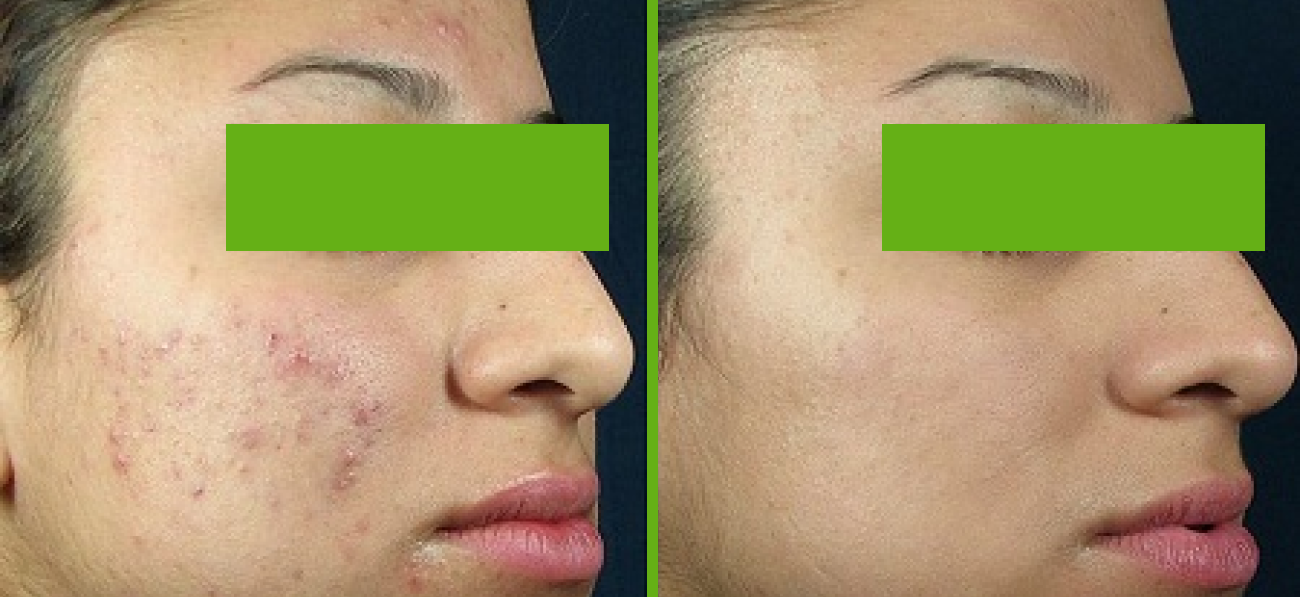
"Skin looks clean and bright after peel 👍"
"I had lot of dull skin and marks, so went for chemical peel. Dr Ritesh handled very nicely and guided proper care. After few days skin started glowing, feeling confident now."
"Big thanks to Dr Hitesh, chemical peel really helped my skin look smoother and more even"
How Tele Consultation works
Submit an inquiry
tell us what is troubling you, attach any reports.
A representative
A representative from the medical team will reach out to coordinate a suitable time between you and the specialist.
Instantly via Mobile
You will receive a phone call or video link to join for your appointment with the doctor.
Proper Consultation
Join the meeting and a proper consultation is conducted by the doctor during your assigned time slot. Doctor will provide a diagnosis and treatment plan for your condition.