
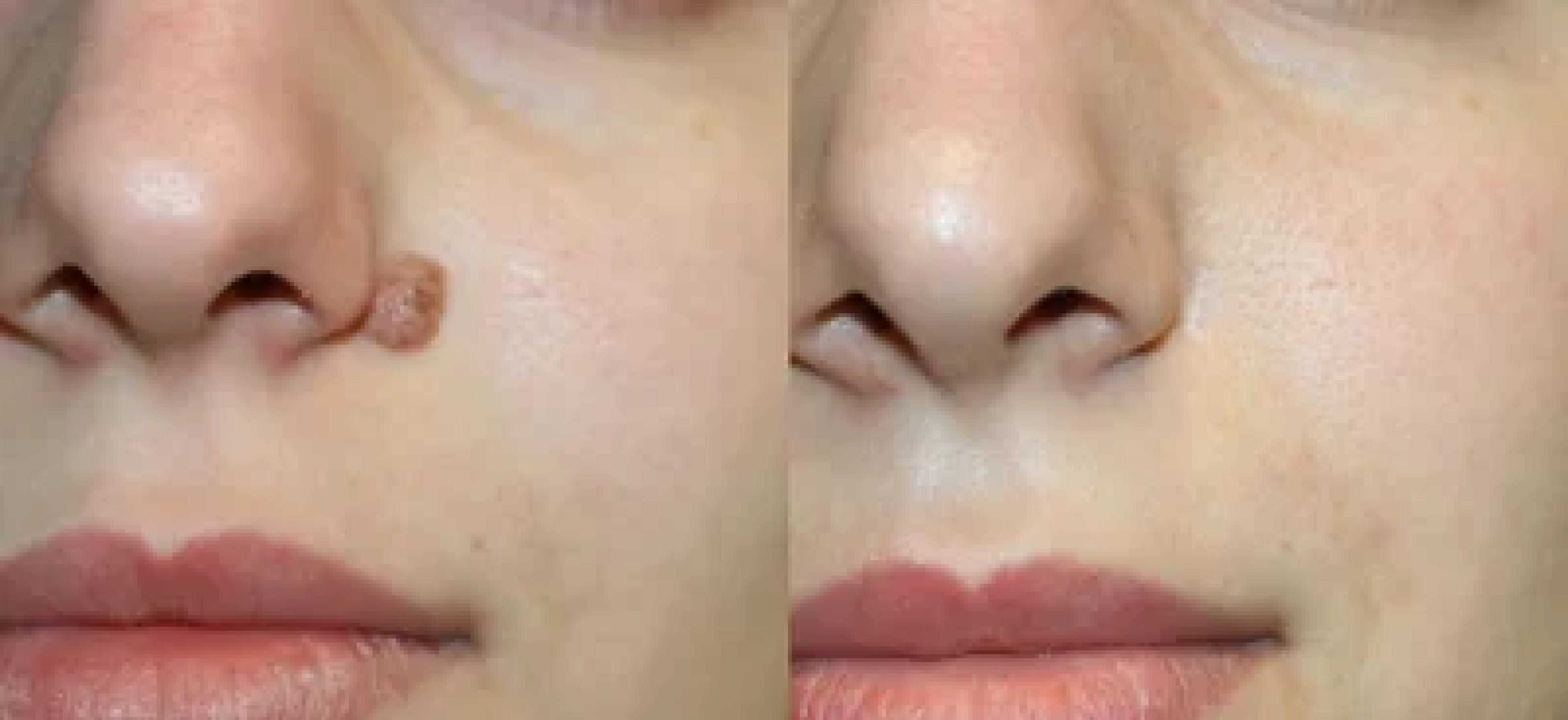
Mole Removal
Moles, skin tags, or unwanted skin growths can be present from birth or develop over time. While many are harmless, they can be cosmetically bothersome or cause irritation due to friction or location.
These growths may affect confidence, especially when visible on the face, neck, or other exposed areas. In some cases, people also seek removal for comfort or medical evaluation.
Mole removal is a simple procedure that safely removes unwanted skin lesions. At WFY Plastic Surgery, mole removal is performed with precision to ensure safety, minimal scarring, and good cosmetic outcomes.
What the treatment includes
• Clinical evaluation of the mole or skin lesion
• Selection of appropriate removal technique
• Safe and controlled removal
• Minimal discomfort and quick healing
• Focus on cosmetic outcome and scar care
• Guidance on aftercare and monitoring
Mole removal helps improve comfort and appearance while ensuring peace of mind.
FAQs
1. Is Mole Removal Safe?
Many people worry about whether mole removal can cause problems. Professional mole removal is a safe and routine medical procedure when done by a qualified doctor. The real risk comes from trying to remove moles at home, which can lead to infection, bad scarring, or missing early signs of skin cancer. A medical evaluation before removal ensures the mole is harmless.
Consult a doctor to have your mole examined and removed safely.
2. Does Mole Removal Hurt?
Fear of pain often delays treatment. Mole removal is usually painless because the area is numbed with a local anaesthetic before the procedure. You may feel a brief pinch from the injection, but the removal itself is not painful. Mild soreness or tenderness afterward is common and settles in a few days.
A consultation can help you understand the procedure and pain control methods used.
3. Will Mole Removal Leave a Scar?
Many people avoid removal because they worry about visible marks. Any procedure that breaks the skin can leave a mark, but professional techniques are designed to minimise scarring. Some methods leave a fine line that fades gradually, while others may leave a small light or slightly indented spot. With proper care, scars usually become much less noticeable over time.
A doctor can recommend the best removal method to reduce scarring based on mole type and location.
4. Can Removing a Mole Prevent Cancer?
Some moles can change and become dangerous if left untreated. Removing a suspicious mole can be a preventive step. When a mole shows warning signs, it is removed surgically and sent for laboratory testing to rule out cancer. Cosmetic methods are not used for such moles because the tissue needs to be examined.
If you notice changes in a mole, consult a doctor without delay.
5. What Is the Recovery Time After Mole Removal?
People often worry about needing time off work. Recovery after mole removal is usually quick, and most people return to daily activities immediately. The surface of the skin heals within a couple of weeks, while deeper healing and scar softening continue gradually over several months.
Your doctor will guide you on healing expectations and activity precautions.
6. What Care Is Needed After Mole Removal?
Improper aftercare can increase the risk of infection or scarring. Keeping the area clean, moist, and protected helps proper healing. Avoid picking at the wound, as this can worsen scarring and delay recovery. Simple daily care usually gives the best cosmetic result.
Your doctor will provide clear aftercare instructions tailored to your skin.
7. Can a Mole Grow Back After Removal?
It is uncommon but possible for a mole to return. When a mole is completely removed, regrowth is unlikely. With surface level methods, a small chance of regrowth exists if deeper cells remain. Any new pigmentation or darkening in the area should be checked promptly.
Regular follow-ups with your doctor helps address regrowth early if it occurs.
8. How Can I Tell If a Mole Is Dangerous?
Not all moles are harmful, but certain changes should raise concern. Moles that look uneven, have irregular edges, multiple colours, are larger than usual, or change over time need medical evaluation. Early assessment makes treatment simpler and safer.
If you are unsure about a mole, it is best to get it checked by a doctor.
9. Is Sun Exposure Safe After Mole Removal?
Freshly healing skin is very sensitive to sunlight. Sun exposure can darken scars permanently and slow healing. Keeping the area covered initially and using strong sun protection afterward helps the scar fade better and protects the skin.
A doctor can guide you on proper sun protection after your procedure.
10. Am I the Right Candidate for Mole Removal?
Mole removal is suitable for people who want cosmetic improvement or medical evaluation of a mole. It is especially important for moles that change in appearance, cause irritation, or raise concern. Not all moles need removal, so proper assessment is essential.
A consultation with a qualified doctor is the best way to decide whether mole removal is right for you
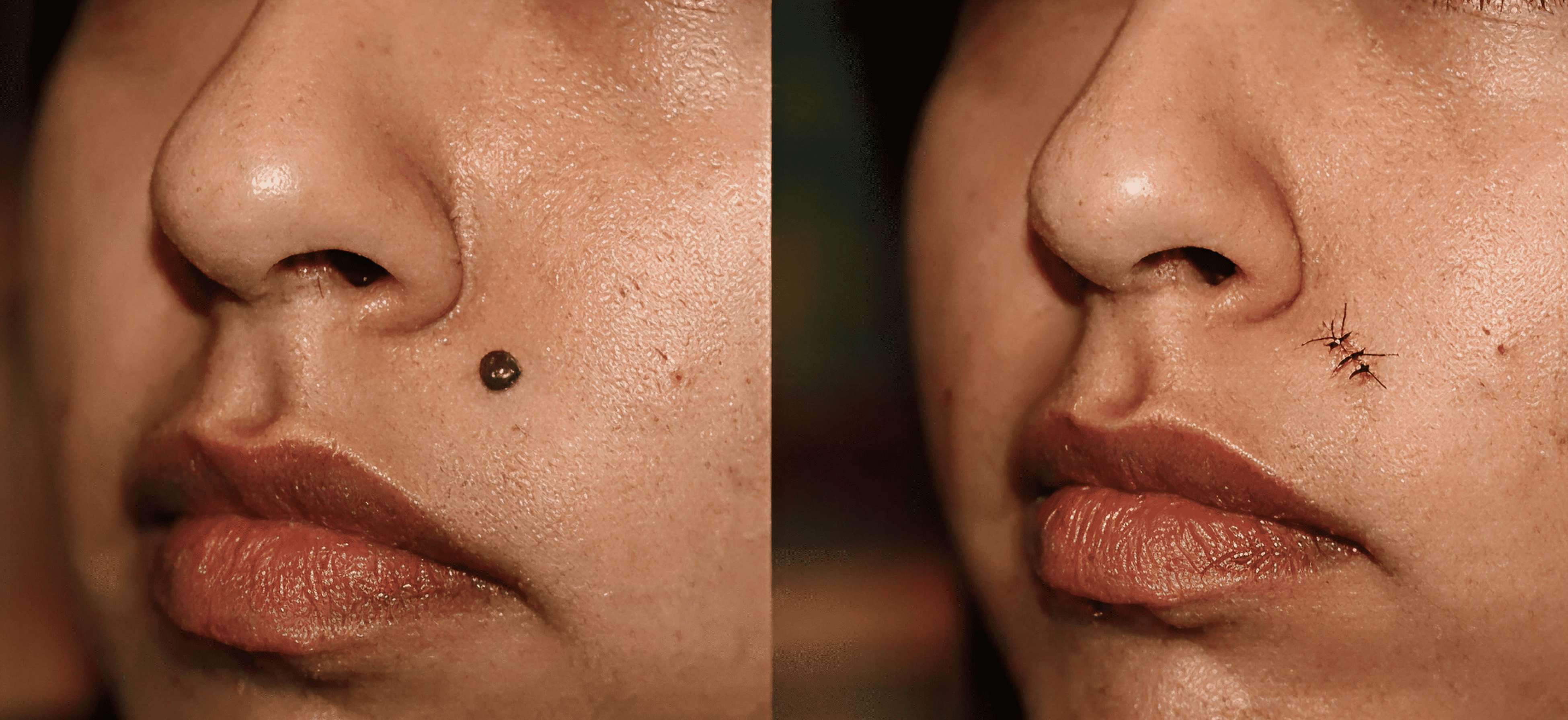
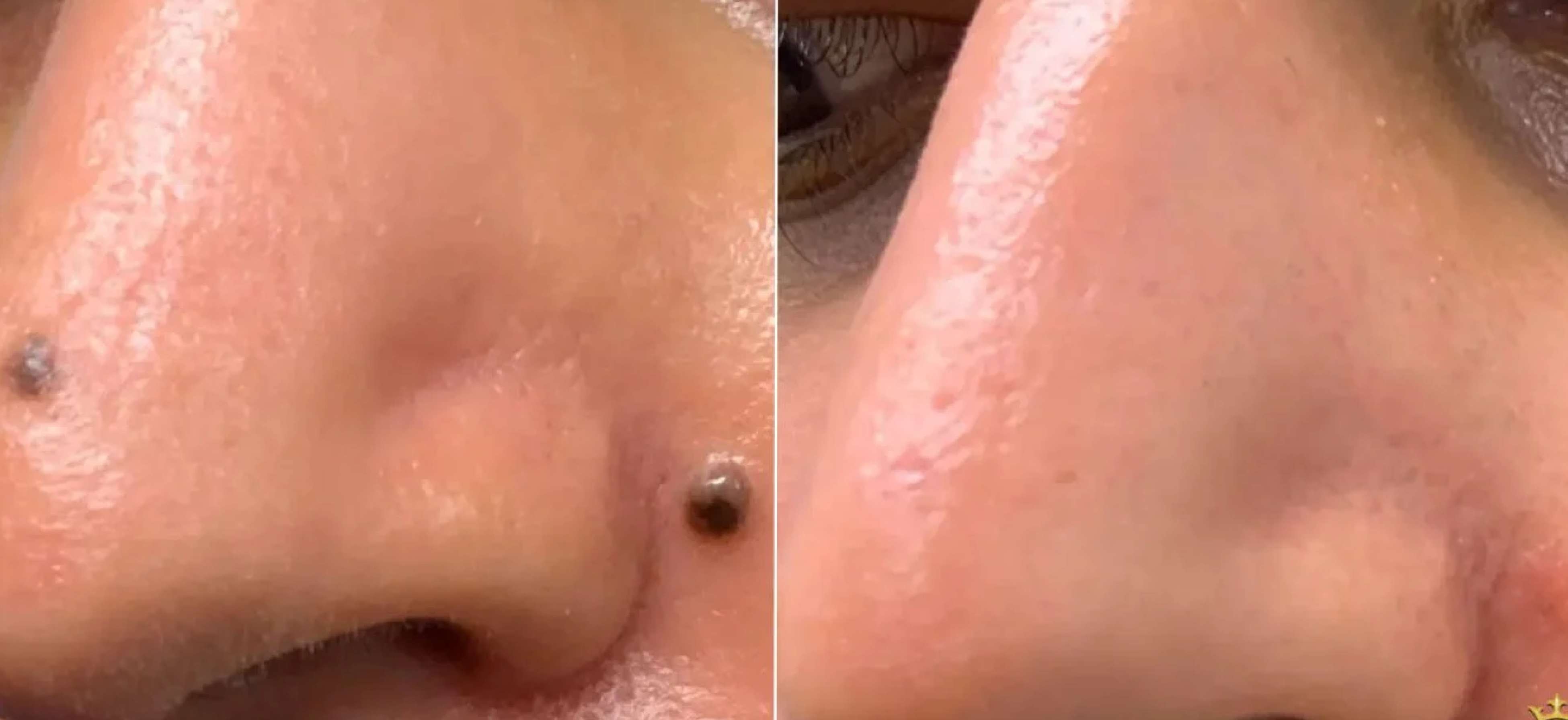
"Thanks Dr Ritesh for mole removal, skin healed nicely and no visible scar"
"I wanted to remove one mole from face, was worried about scar. Dr Hitesh handled it very carefully and procedure was quick. Healing was smooth and now skin looks clear, very satisfied."
"Mole removed easily, no mark"
How Tele Consultation works
Submit an inquiry
tell us what is troubling you, attach any reports.
A representative
A representative from the medical team will reach out to coordinate a suitable time between you and the specialist.
Instantly via Mobile
You will receive a phone call or video link to join for your appointment with the doctor.
Proper Consultation
Join the meeting and a proper consultation is conducted by the doctor during your assigned time slot. Doctor will provide a diagnosis and treatment plan for your condition.