
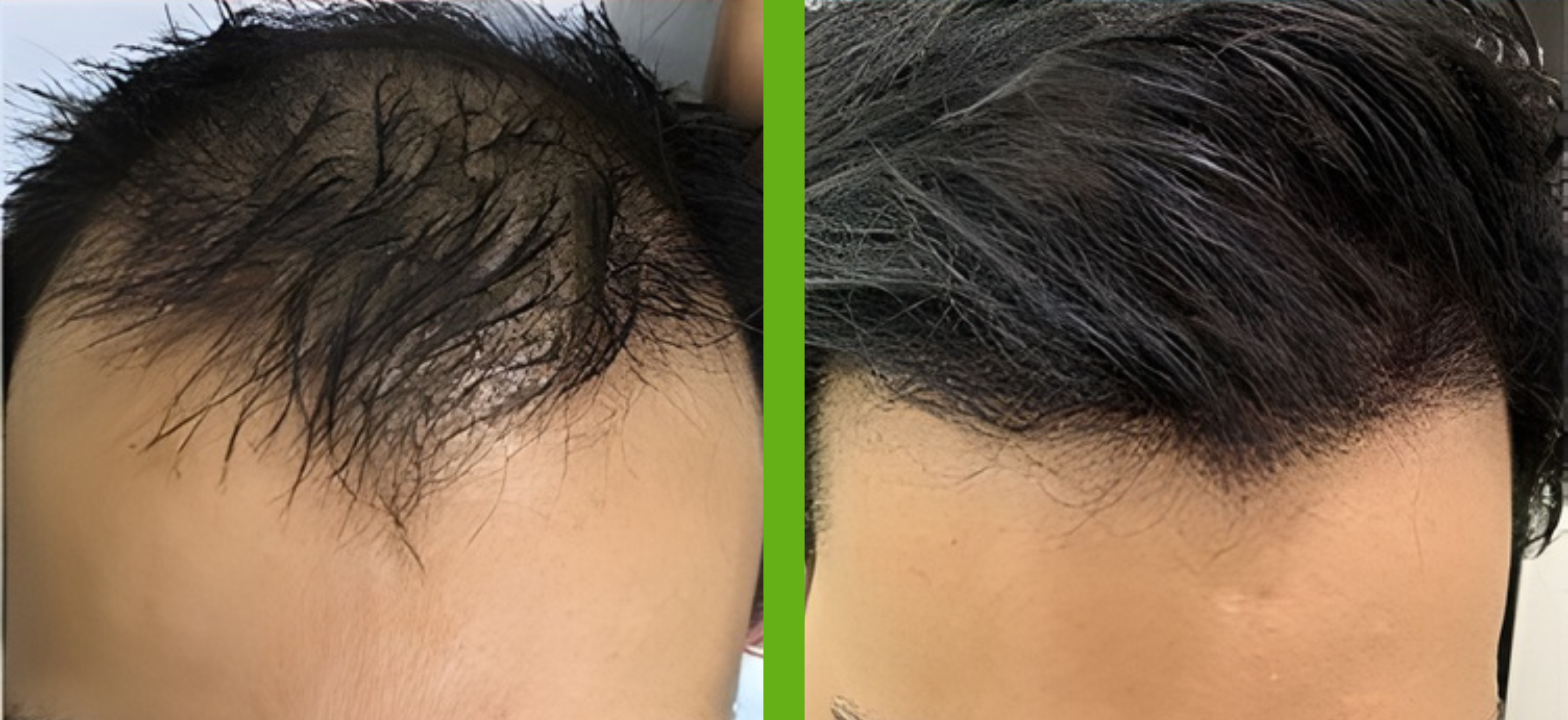
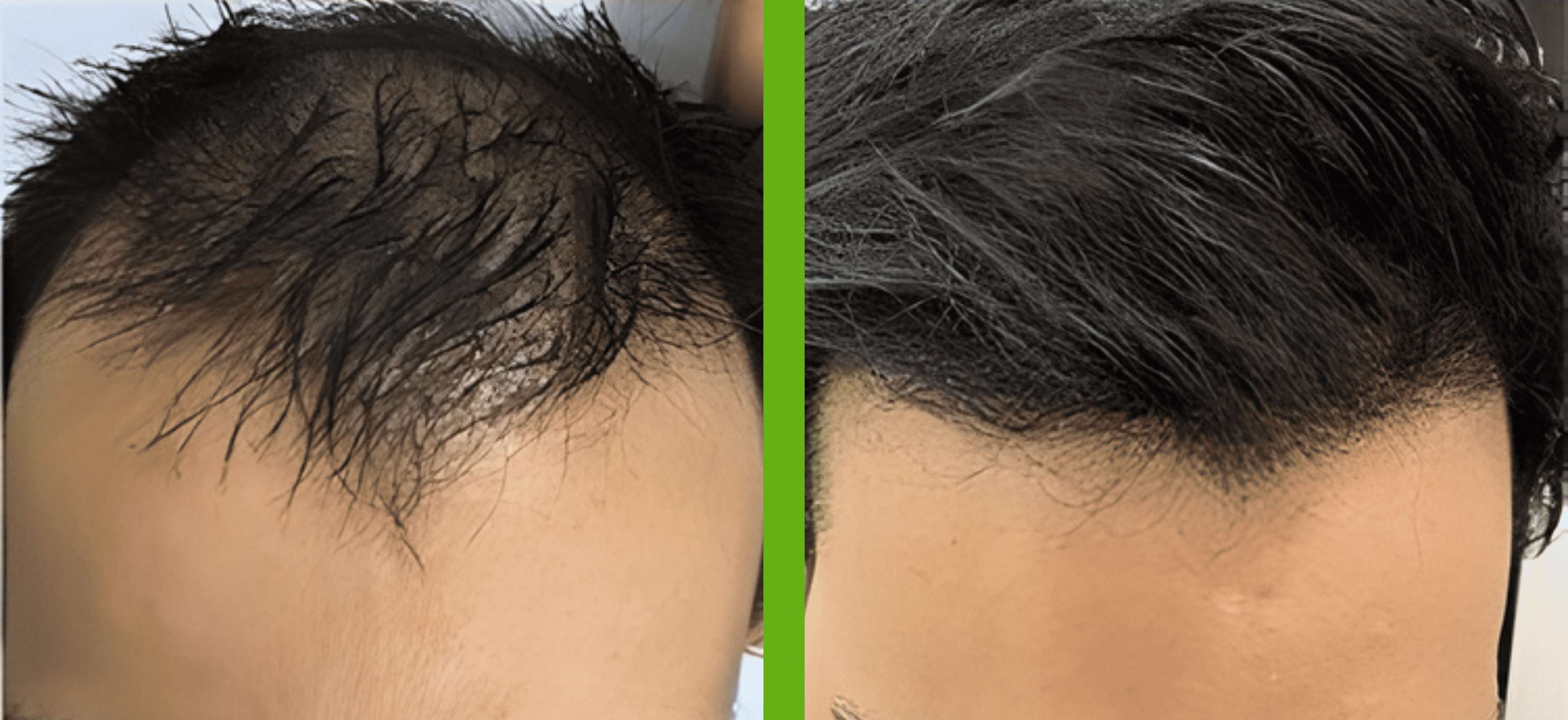
PRP (Platelet-Rich Plasma) Therapy
Early hair thinning and increased hair fall are common concerns caused by stress, hormonal changes, nutritional deficiencies, or genetics. Hair may start to feel weaker, finer, and less dense.
Watching hair thin out can be worrying, especially when it continues despite lifestyle changes and basic treatments.
PRP therapy uses the healing and growth factors present in your own blood to strengthen hair follicles and improve hair quality. At WFY Plastic Surgery, PRP is used as a standalone treatment or as a supportive therapy for hair transplant patients.
What the treatment includes:
- Blood sample collection from the patient
- Separation of platelet-rich plasma
- Injection of PRP into the scalp
- Stimulation of dormant hair follicles
- Improved hair thickness and reduced hair fall over time
PRP is a safe, non-surgical option that helps improve hair strength and scalp health.
FAQs
1. What are the different applications of PRP therapy?
Many patients struggle with chronic pain, hair thinning, or early skin ageing and are often unsure where PRP actually fits in. PRP therapy is versatile because it works on the body’s natural healing response, making it useful across multiple medical and aesthetic concerns.
In orthopaedic and joint conditions, PRP is commonly used for knee osteoarthritis, joint degeneration, shoulder, elbow, hip and ankle injuries, tendon problems like tennis elbow or Achilles tendinitis, ligament injuries, cartilage damage, and long-standing joint pain that has not improved with routine treatment.
In hair restoration, PRP helps people facing gradual hair thinning or early hair loss. It is used in male pattern baldness, female pattern hair loss, general hair thinning, improving hair density, strengthening weak follicles, and stimulating natural regrowth.
In aesthetic and dermatologic care, PRP supports skin rejuvenation and repair. It is used to improve skin quality, soften fine lines and wrinkles, reduce acne scars and surgical scars, enhance results when combined with microneedling, improve under-eye dark circles and hollowness, rejuvenate the neck and décolletage, reduce stretch marks, improve pigmentation caused by sun damage, and enhance overall skin tone and texture.
Although PRP was first widely used in orthopaedics, it is now increasingly popular for hair restoration and skin rejuvenation, especially when paired with microneedling for better results.
If you are unsure whether PRP is meant for pain relief, hair loss, or skin rejuvenation, consult an experienced specialist to identify the right application for you.
2. Am I a good candidate for PRP therapy?
Many people consider PRP after trying medications or treatments that have not given lasting relief. You may be a suitable candidate if you are in generally good health, have been dealing with your concern for at least three to six months, and understand that PRP works gradually rather than instantly.
PRP is suitable for patients who are willing to commit to a series of sessions, usually three to six sittings, and who have realistic expectations about timelines and outcomes. Non-smokers or those willing to quit temporarily tend to heal better and respond more effectively.
For hair-related concerns, PRP works best in early to moderate hair loss, stable hair thinning patterns, and for those looking to strengthen existing hair or slow further loss without relying only on medicines.
For skin rejuvenation, PRP suits patients seeking natural improvement in skin texture, fine lines, acne scars, or sun damage, and it is safe across all skin types.
However, PRP is not advised for people with severe anaemia, low platelet counts, active infections, cancer, bleeding disorders, uncontrolled diabetes, major organ disease, autoimmune conditions without medical clearance, or those who are pregnant or breastfeeding. Certain medicines can interfere with platelet function and may need temporary discontinuation after medical advice.
A personalised consultation helps determine whether PRP is safe and beneficial for you before starting treatment.
3. How is PRP therapy performed?
Many patients worry about injections or downtime, but PRP is a simple outpatient procedure designed to be quick and minimally invasive.
The session usually takes about thirty to forty-five minutes and is performed in a clinic setting. For skin and hair treatments, a topical numbing cream is often sufficient, while orthopaedic injections may use local anaesthesia.
A small blood sample is drawn, similar to a routine blood test. This blood is then processed in a centrifuge to separate and concentrate the platelets. Once ready, the platelet-rich plasma is carefully injected into the targeted area using sterile techniques. For joint problems, ultrasound guidance may be used to improve accuracy. When combined with microneedling, tiny controlled micro-injuries allow deeper penetration of PRP into the skin.
Patients can return home the same day with simple aftercare instructions.
Choose a qualified medical professional who follows proper PRP preparation and injection protocols for safe and effective results.
4. What is the recovery timeline after PRP therapy?
One of the biggest concerns with treatments is downtime. PRP stands out because recovery is minimal.
Immediately after treatment, mild soreness or tenderness may be felt at the injection site, but daily activities can usually be resumed the same day. Over the first one to three days, mild swelling or redness is normal and indicates the healing response has started.
By the end of the first week, most discomfort settles, and patients feel completely normal. Over the following weeks, the real benefits begin as the body responds to the growth factors.
Improvements are typically noticed within two to six weeks, become more visible by three months, and continue developing up to six months or longer depending on the condition treated.
If you want a treatment that fits easily into a busy routine with minimal downtime, PRP may be a suitable option after consultation.
5. What is the cost of PRP therapy?
Cost often becomes a concern because PRP requires multiple sessions for optimal results. Pricing varies depending on the area treated, clinic expertise, and technology used.
For hair loss, PRP sessions may be priced per sitting, with an initial series usually recommended. Joint injections may require one to three sessions, while skin treatments vary based on the size of the area and whether microneedling is included.
PRP is generally considered a cosmetic or regenerative procedure and is not usually covered by insurance. Many clinics offer package pricing or payment plans to make treatment more accessible.
A detailed consultation helps you understand the exact number of sessions needed and the total investment before starting treatment.
6. How effective is PRP therapy, and when can I expect results?
PRP does not provide instant results, which can be frustrating for some patients. Its strength lies in gradual, natural healing.
Most patients notice early changes within a few weeks, with more visible improvement around three months. Hair appears thicker, skin looks healthier, and joint discomfort may reduce as tissues repair themselves.
Effectiveness depends on platelet quality, the severity of the condition, overall health, age, and how well post-treatment advice is followed. Smokers and patients with advanced conditions may see slower or less dramatic improvement.
A realistic discussion with your doctor helps align expectations with achievable outcomes from PRP therapy.
7. What are the risks and potential complications of PRP therapy?
Patients often worry about safety, but PRP is considered low-risk because it uses your own blood components.
Temporary effects such as soreness, swelling, mild bruising, or redness are common and usually resolve within days. Infection or allergic reactions are extremely rare when proper sterile techniques are used.
Serious complications are uncommon and are usually linked to poor technique or inadequate medical assessment before treatment.
Always choose a qualified and experienced practitioner to minimise risks and ensure safe treatment.
8. How does PRP therapy combine with other treatments?
PRP is often combined with other treatments to improve results when single therapies feel insufficient.
When paired with microneedling, PRP enhances collagen production and skin repair. In hair restoration, it improves graft survival and strengthens surrounding hair when used alongside hair transplant surgery. In orthopaedics, combining PRP with physiotherapy can speed up recovery and improve function.
Ask your specialist whether combining PRP with another treatment can deliver better results for your concern.
9. Are there any alternatives to PRP therapy?
Some patients may not be ready for PRP or may prefer other options. Hair loss can also be managed with medications, laser therapy, or surgery. Joint pain may respond to physiotherapy, injections, or surgery depending on severity. Skin concerns can be treated with lasers, peels, injectables, or topical treatments.
PRP remains a preferred option for those seeking a natural, biologic approach that supports healing rather than masking symptoms.
A consultation helps compare PRP with alternative treatments and decide what suits your goals and lifestyle best.
Our Videos
"I started PRP for thinning hair on crown area. First 1–2 sessions I didn’t notice much change and was a bit doubtful. But after 3rd session, hair fall reduced and hair felt stronger. It’s not like full regrowth overnight, but density has improved slowly. Even hair texture feels better now. Worth it if you are patient with treatment schedule."
"Not much regrowth like I imagined but hair fall is definitely less. That itself helped a lot."
"Treatment is fine, just takes time. I was expecting faster results but doctor said it’s gradual process. Hair shedding reduced after a while, so I guess it worked. Still continuing maintenance sessions."
How Tele Consultation works
Submit an inquiry
tell us what is troubling you, attach any reports.
A representative
A representative from the medical team will reach out to coordinate a suitable time between you and the specialist.
Instantly via Mobile
You will receive a phone call or video link to join for your appointment with the doctor.
Proper Consultation
Join the meeting and a proper consultation is conducted by the doctor during your assigned time slot. Doctor will provide a diagnosis and treatment plan for your condition.