
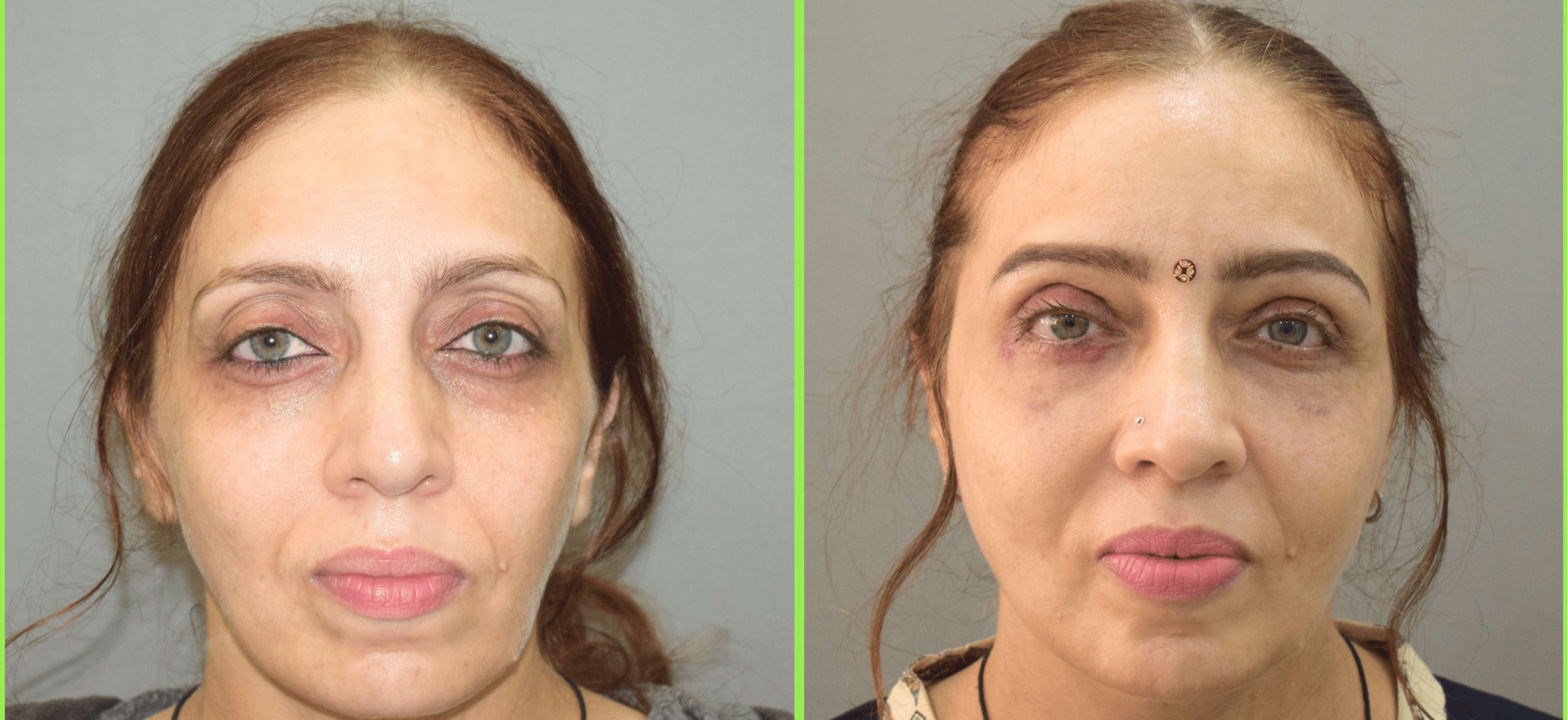
Blepharoplasty (Eyelid Surgery)
The eyes are often the first place where signs of ageing appear. Drooping upper eyelids, loose skin, puffiness, or under-eye bags can make you look tired, stressed, or older than you actually feel. In some cases, heavy upper eyelids may even interfere with vision, making everyday activities uncomfortable.
Living with constantly tired-looking eyes can affect confidence. You may hear comments asking if you are exhausted or unwell, even when you are not. Makeup and creams often fail to hide these concerns, and the face can start to look dull despite adequate rest and self-care.
Blepharoplasty, also known as eyelid surgery, helps refresh the appearance of the eyes by correcting excess skin, fat, and muscle around the upper or lower eyelids. At WFY Plastic Surgery, the focus is on achieving a rested, alert look while preserving the natural expression of your eyes.
What Blepharoplasty Treatment Includes
At WFY Plastic Surgery, eyelid surgery is planned with precision and care. The procedure may include:
✔ Detailed Eye and Facial Assessment
Your surgeon examines eyelid skin, muscle tone, fat deposits, and overall facial balance before recommending surgery.
✔ Upper Eyelid Correction
Excess skin and fat are carefully removed or repositioned to open up the eyes and improve vision or appearance.
✔ Lower Eyelid Rejuvenation
Under-eye bags or puffiness are reduced by repositioning or removing excess fat and tightening loose skin.
✔ Natural Crease Placement
Incisions are made along natural eyelid creases or inside the lower eyelid, keeping scars discreet after healing.
✔ Functional and Cosmetic Improvement
Blepharoplasty can be performed for appearance, vision improvement, or both, depending on your needs.
✔ Post-Surgery Care & Monitoring
Clear recovery instructions and follow-ups ensure safe healing and gradual, natural results.
Who Can Consider Blepharoplasty
Blepharoplasty may be suitable if you:
• Have drooping or heavy upper eyelids
• Notice puffiness or bags under the eyes
• Look tired despite rest
• Experience vision obstruction due to excess eyelid skin
The results help restore a refreshed, awake appearance while maintaining your natural facial expressions.
FAQs
1. Who is a good candidate for blepharoplasty?
Droopy eyelids, hooded eyes, or persistent under-eye puffiness can make the face look tired, older, or even affect vision, regardless of how well-rested you are.
Good candidates for blepharoplasty are healthy individuals who show physical signs such as loose eyelid skin, sagging upper lids, or prominent under-eye bags. While the procedure is most commonly performed between 40 and 60 years of age, younger patients between 25 and 35 years with hereditary puffiness or early drooping can also be suitable. Candidacy depends more on eyelid anatomy and symptoms than age alone.
You may be an ideal candidate if you have realistic expectations, good overall health, no uncontrolled medical conditions such as diabetes or bleeding disorders, are a non-smoker or willing to stop, and do not suffer from severe dry eye or thyroid eye disease. A detailed consultation helps confirm suitability.
Consult the best plastic surgeon in gurgaon to evaluate whether blepharoplasty is right for your eyes and facial structure.
2. What is the difference between cosmetic and functional blepharoplasty?
Many patients are unsure whether their eyelid concern is cosmetic or a medical issue, and whether insurance may apply.
Cosmetic blepharoplasty is performed to improve appearance by removing excess skin or fat that causes droopy upper lids or under-eye bags. These procedures are elective and not covered by insurance.
Functional blepharoplasty is performed when drooping eyelids interfere with vision or daily activities such as reading or driving. In such cases, surgery may be considered medically necessary. Insurance coverage may be possible when visual field testing confirms significant obstruction and proper medical documentation is provided.
Speak with the best plastic surgeon in gurgaon to understand whether your eyelid concern is cosmetic, functional, or a combination of both.
3. How is blepharoplasty performed?
Fear of surgery often comes from not knowing what actually happens during the procedure.
Blepharoplasty is usually performed as an outpatient procedure under local or general anaesthesia, depending on the eyelids being treated and patient comfort. The surgeon places precise incisions in the natural folds of the eyelids to keep scars discreet.
For upper eyelids, incisions are made in the natural crease. For lower eyelids, incisions may be placed just below the lash line or inside the eyelid to avoid visible scarring. Through these incisions, excess skin, muscle, or fat is removed or repositioned. Once reshaping is complete, the incisions are closed with fine sutures and protective ointment or dressings are applied. The procedure usually takes between 45 minutes and 2 hours.
Meet the best plastic surgeon in gurgaon to get a clear explanation of how blepharoplasty will be tailored to your needs.
4. What is the recovery timeline and when can I return to normal activities?
Many patients worry about swelling, bruising, and how soon they can return to work or social life.
After surgery, you will need someone to drive you home. Mild discomfort, swelling, and bruising are normal and peak within the first two to three days. Keeping your head elevated and avoiding strain during the first 72 hours helps speed recovery.
Most patients return to desk work within five to seven days. Makeup should be avoided for around two weeks. By weeks two to three, swelling and bruising have largely settled, and social activities can usually be resumed. Normal physical activities are gradually restarted after four to six weeks. While most recovery happens early, final refinement continues over several months.
Discuss a personalised recovery plan with the best plastic surgeon in gurgaon so you know exactly when you can resume your routine.
5. How long do blepharoplasty results last?
Patients often want to know whether eyelid surgery offers short-term improvement or lasting results.
Upper eyelid blepharoplasty results usually last between five and ten years. Over time, natural ageing and brow descent may cause skin laxity to reappear. Lower eyelid blepharoplasty results are typically longer lasting and may remain stable for ten to fifteen years or more, especially when excess fat pads are permanently removed.
Maintaining results involves sun protection, avoiding smoking, following a healthy lifestyle, and using good skincare. Some patients also combine surgery with non-surgical treatments as they age.
Consult the best plastic surgeon in gurgaon to understand what kind of longevity you can expect from your blepharoplasty.
6. What are the costs of blepharoplasty and is it covered by insurance?
Unclear pricing often makes patients hesitant to plan eyelid surgery.
The cost of blepharoplasty depends on the complexity of the procedure, surgeon expertise, whether upper or lower lids are treated, and facility and anaesthesia charges. Cosmetic blepharoplasty is not covered by insurance.
Functional blepharoplasty may be partially or fully covered if vision obstruction is documented through visual field testing and medical reports. Financing options may be available to help manage costs.
Book a consultation with the best plastic surgeon in gurgaon to receive a transparent and customised cost estimate.
7. Will there be visible scars and where are incisions placed?
A major concern for patients is whether eyelid surgery will leave noticeable scars.
Incisions are placed in natural eyelid creases where they blend seamlessly with surrounding skin. Upper eyelid incisions remain hidden when the eyes are open. Lower eyelid incisions are placed just below the lashes or inside the eyelid, making them difficult to detect.
With proper technique and aftercare, scars fade significantly over time and are usually not noticeable in daily interactions.
Discuss incision placement and scar care with the best plastic surgeon in gurgaon before planning surgery.
8. What are the risks and potential complications of blepharoplasty?
Even with a commonly performed procedure, patients want reassurance about safety.
Blepharoplasty is a safe surgery when performed by an experienced surgeon. Temporary swelling, bruising, dryness, irritation, or mild discomfort are common during healing. Less common risks include infection, bleeding, scarring, difficulty closing the eyes temporarily, changes in sensation, or the need for revision surgery.
Serious complications such as vision loss are extremely rare. Choosing a qualified surgeon and following all pre and post-operative instructions significantly reduces risks.
Reduce surgical risks by choosing the best plastic surgeon in gurgaon for your blepharoplasty procedure.
9. Are there non-surgical alternatives to blepharoplasty?
Some patients prefer non-surgical treatments or may not yet need surgery.
Options such as Botox, dermal fillers, laser resurfacing, chemical peels, and microneedling can improve fine lines, mild puffiness, and skin quality around the eyes. These treatments involve little to no downtime and are suitable for early signs of ageing.
However, non-surgical treatments cannot remove excess skin or significant fat and offer temporary results. For moderate to severe eyelid sagging or vision obstruction, blepharoplasty remains the most effective and long-lasting solution.
Consult the best plastic surgeon in gurgaon to decide whether non-surgical treatments or blepharoplasty will best address your concerns.
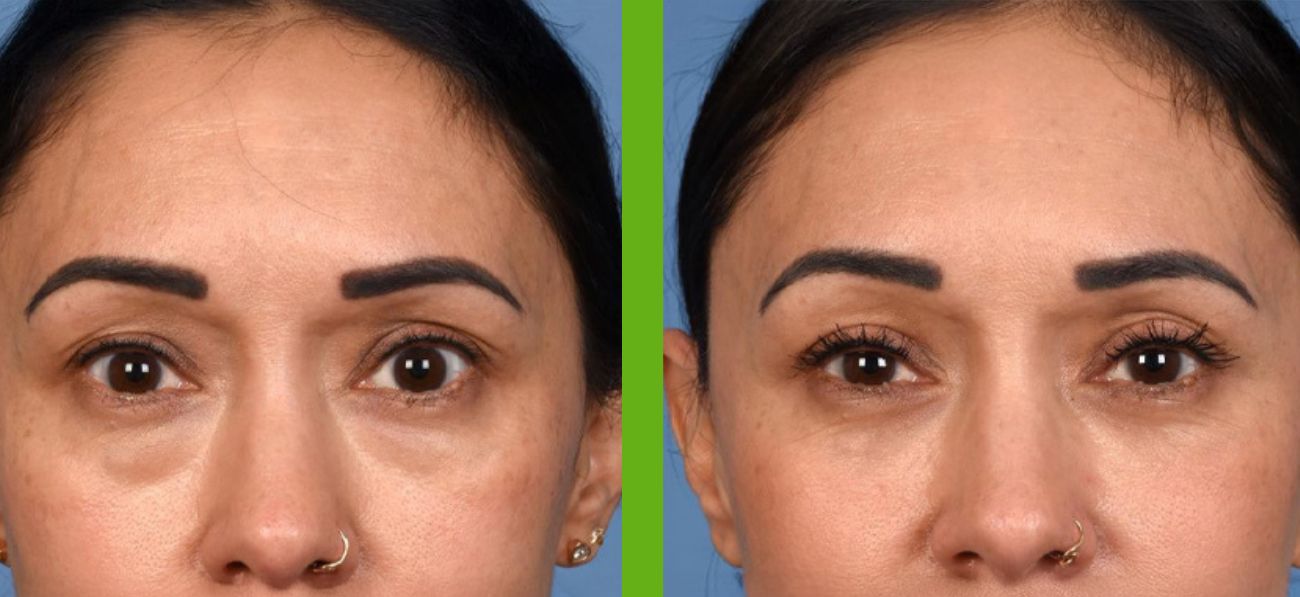
Our Videos
"Dr. Ritesh was so good.My under-eye bags were really making me look older than I am. After blepharoplasty, face looks more balanced. not “changed”, just improved. healing took time and I had to avoid screen a lot which was annoying, but result is clean so no complaints."
"Thanks a lot Dr. Hitesh. Surgery was fine overall. First week had swelling around eyes and it looked worse before it got better. That part was stressful. But slowly it settled and now eyelids are less heavy. I can see better also, not just appearance. Happy but patience is needed."
"I didn’t realize how tired I always looked until after the surgery. Now people keep asking if I’m sleeping better. honestly I just look fresher. Very subtle change but it makes a big difference."
Ans: Eyelid surgery can take around 1 to 3 hours approximately. The actual duration of the procedure may vary significantly depending on the severity of eyelid sagging and the type of surgery being performed.
Ans: Yes, if the droopy eyelids are affecting the child’s vision, the surgery can be performed safely after he/she is at least 3 years old. In severe cases, surgery may be needed as soon as possible to prevent a lazy eye. Thus, early treatment is also possible and safe.
How Tele Consultation works
Submit an inquiry
tell us what is troubling you, attach any reports.
A representative
A representative from the medical team will reach out to coordinate a suitable time between you and the specialist.
Instantly via Mobile
You will receive a phone call or video link to join for your appointment with the doctor.
Proper Consultation
Join the meeting and a proper consultation is conducted by the doctor during your assigned time slot. Doctor will provide a diagnosis and treatment plan for your condition.