

GFC (Growth Factor Concentrate)
In some cases, hair loss continues despite routine treatments, or hair regrowth remains slow and weak. Patients may feel their hair lacks vitality and density.
This can lead to frustration, especially when consistent effort does not show visible improvement.
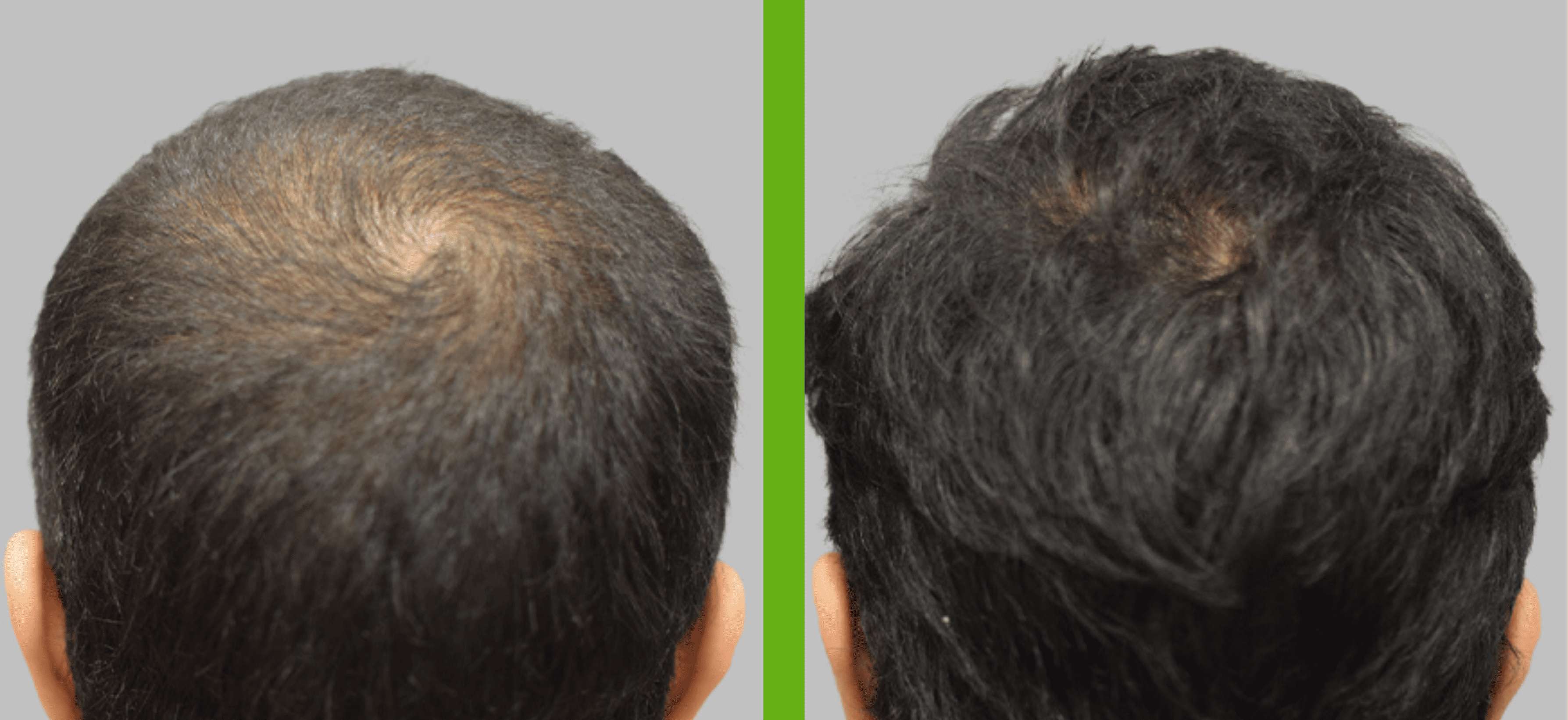
GFC therapy is an advanced treatment that delivers concentrated growth factors directly to the scalp to stimulate stronger and healthier hair growth. At WFY Plastic Surgery, GFC is recommended for patients needing enhanced follicle stimulation.
What the treatment includes:
- Blood collection and processing to extract growth factors
- Injection of growth factor concentrate into targeted scalp areas
- Activation of weak or dormant hair follicles
- Improved hair density and texture
- Safe, controlled, and customised treatment sessions
GFC therapy supports long-term improvement in hair quality and strength.
FAQs
1. What are the different applications of GFC therapy?
Many people associate GFC therapy only with hair loss, but its role goes beyond that. GFC works by delivering highly concentrated growth factors that activate natural repair and regeneration in targeted areas.
Its primary and most established use is in hair restoration. GFC is widely used for male pattern baldness, female pattern hair loss, gradual thinning, reduced hair density, receding hairlines, stress-related hair fall, post-pregnancy hair loss, and early-stage alopecia. It strengthens weak follicles, reduces excessive shedding, and stimulates healthy regrowth in areas where follicles are still present.
GFC is also emerging as a supportive treatment for facial and skin rejuvenation. It helps improve fine lines and wrinkles, enhances skin texture and tone, reduces acne scars, improves dark circles and under-eye hollowing, corrects pigmentation caused by sun damage, reduces stretch marks, boosts skin hydration, and stimulates collagen production for improved radiance and firmness.
In certain cases, GFC is combined with microneedling for facial treatments. Microneedling allows growth factors to penetrate deeper layers of the skin, enhancing collagen stimulation and overall cellular regeneration.
A consultation can help identify whether GFC is suitable for hair restoration, skin rejuvenation, or a combined approach based on your concerns.
2. How does GFC differ from PRP (Platelet-Rich Plasma)?
Many patients are confused between PRP and GFC, assuming they are the same. While both are derived from your own blood, their composition and effectiveness are different.
PRP contains platelets along with plasma and other blood components, whereas GFC contains only purified and concentrated growth factors. GFC undergoes a more advanced processing method that allows growth factors to be released naturally and collected without red or white blood cells. This results in higher purity, stronger potency, and reduced inflammation after treatment.
Clinical data shows GFC leads to greater improvement in hair density and thickness compared to PRP, with faster and more noticeable results. Patients also typically require fewer sessions with GFC and report higher satisfaction due to reduced discomfort and improved scalp health.
Because GFC excludes inflammatory blood cells, post-treatment irritation is lower, making it a more refined and efficient option for hair restoration.
If you are unsure whether PRP or GFC is right for you, a specialist can guide you based on your hair loss stage and treatment goals.
3. Am I a good candidate for GFC therapy?
GFC therapy works best when hair follicles are still present but weak or dormant. You may be a good candidate if you are experiencing mild to moderate hair loss, early thinning, or gradual reduction in density rather than complete baldness.
Ideal candidates are generally healthy individuals looking for a natural, non-surgical solution, with stable or early-stage hair loss and realistic expectations about gradual improvement. GFC is also suitable for those seeking facial rejuvenation benefits using regenerative therapy.
However, GFC may not be suitable for individuals with complete baldness, active infections, bleeding disorders, very low platelet counts, severe uncontrolled medical conditions, or those who are pregnant or breastfeeding.
During consultation, the doctor assesses scalp condition, follicle activity, medical history, and treatment expectations before recommending GFC.
A personalised evaluation helps confirm whether GFC can deliver meaningful results for your hair or skin concerns.
4. How is GFC therapy performed?
GFC therapy is a simple outpatient procedure designed for comfort and safety. The entire session usually takes about twenty to thirty minutes and does not require hospital admission.
A small amount of blood is drawn into specialised GFC tubes. The blood is allowed to rest under controlled conditions so that growth factors are released naturally from the platelets. It is then centrifuged to separate and concentrate the pure growth factor serum.
Once ready, the scalp or treatment area is cleaned, and the growth factor concentrate is injected using fine needles into targeted areas. The injections are precise and evenly distributed to maximise effectiveness. Some clinics may add LED therapy after treatment to further support healing.
Patients can return to daily activities immediately after the procedure.
Choosing a trained medical professional ensures correct preparation and precise delivery of GFC for best outcomes.
5. What is the recovery timeline after GFC therapy?
One of the biggest advantages of GFC therapy is the minimal downtime involved. Most patients can resume routine activities immediately after the session.
Mild redness, swelling, or scalp tenderness may be noticed for one to two days, which settles on its own. By the end of the first week, the scalp feels completely normal for most patients.
Hair shedding typically reduces within four weeks. Early signs of improvement in thickness and new hair growth appear between eight to twelve weeks. More visible improvement in density is usually seen between three to four months, with optimal results developing by six months.
If you prefer a treatment with minimal recovery time, GFC offers a convenient option with gradual, natural results.
6. What is the cost of GFC therapy?
The cost of GFC therapy varies depending on location, clinic expertise, and the number of sessions required. In India, individual sessions are generally affordable compared to international pricing, and package options are commonly available for multiple sessions.
Although GFC is more expensive than PRP per session, it often requires fewer sittings and delivers longer-lasting results, making it cost-effective over time. As it is considered a cosmetic or regenerative treatment, it is usually not covered by insurance.
A clear treatment plan helps you understand the total cost before starting therapy.
7. What are the results and timeline for GFC therapy?
GFC results develop gradually as growth factors activate natural regeneration within the scalp or skin. In the first month, reduced hair fall is commonly noticed. Over the next two to three months, hair strands begin to appear thicker and healthier.
Between four to six months, visible improvement in density and coverage is seen in treated areas. For facial applications, skin texture improves, fine lines soften, and overall radiance increases as collagen production improves.
Results vary based on individual response, severity of hair loss or skin concern, and adherence to the recommended treatment schedule.
Consistency and patience are key, and a doctor can guide you on what results to expect realistically.
8. Are there risks, side effects, or contraindications with GFC therapy?
GFC therapy has a strong safety profile because it uses only components derived from your own blood. Common side effects are mild and temporary, such as slight redness, swelling, or tenderness at injection sites.
Rare complications like infection are uncommon when proper sterile techniques are followed. Certain conditions, such as bleeding disorders, active infections, severe anaemia, uncontrolled diabetes, or pregnancy, may make GFC unsuitable.
Disclosing your complete medical history and medications before treatment helps reduce risks further.
A detailed medical review ensures GFC therapy is safe and appropriate for you.
9. Can GFC be combined with other treatments, and what alternatives exist?
GFC works well both as a standalone treatment and when combined with other therapies. It can be paired with microneedling for facial rejuvenation, used alongside hair transplant procedures to support graft survival, or combined with topical hair treatments for comprehensive hair loss management.
Alternatives for hair loss include PRP, medications like minoxidil or finasteride, laser therapy, or hair transplant surgery. For skin rejuvenation, options include injectables, lasers, chemical peels, and microneedling alone.
GFC stands out for offering a balance between effectiveness, safety, minimal downtime, and natural results.
A consultation helps compare GFC with other options and select the most suitable treatment for your goals.
Our Videos
"I noticed hair fall reduced after 2 sessions. Not magic but it’s working slowly."
"I had tried PRP earlier but results were very mild. With GFC I felt slightly better improvement in hair strength and less shedding after washing. First session didn’t show much change, but by 3rd session hair felt thicker and less weak. It’s still a gradual process, not instant regrowth, but overall I’m seeing better stability in hair. Slight discomfort during procedure but manageable."
"Doctor suggested GFC for early stage hair loss. It helped control hair fall to some extent. Still continuing sessions."
How Tele Consultation works
Submit an inquiry
tell us what is troubling you, attach any reports.
A representative
A representative from the medical team will reach out to coordinate a suitable time between you and the specialist.
Instantly via Mobile
You will receive a phone call or video link to join for your appointment with the doctor.
Proper Consultation
Join the meeting and a proper consultation is conducted by the doctor during your assigned time slot. Doctor will provide a diagnosis and treatment plan for your condition.