
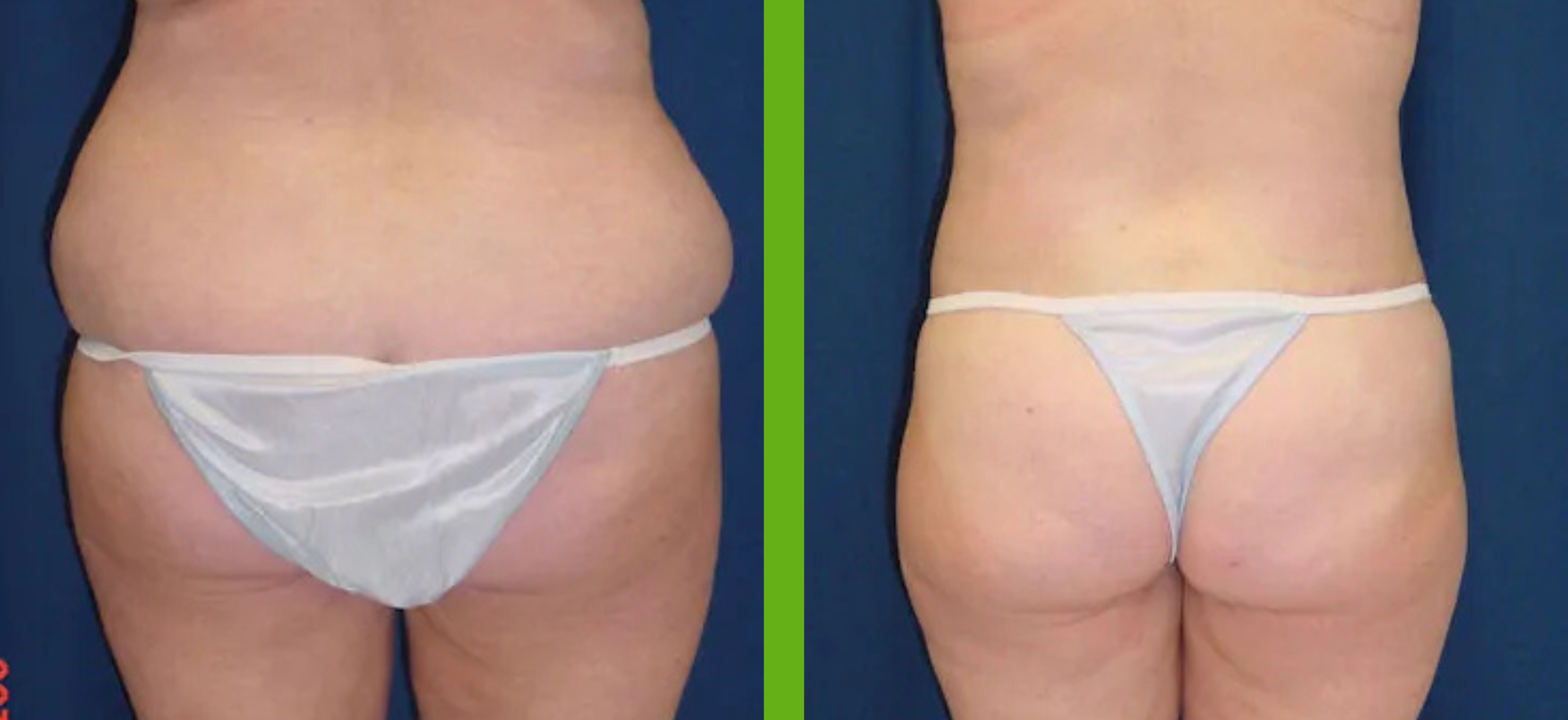
Belt Lipectomy (Lower Body Lift)
After massive weight loss, some people are left with loose, hanging skin around the abdomen, waist, hips, and lower back. This excess skin often does not tighten on its own and can affect hygiene, comfort, and overall body shape.
Living with loose skin around the entire midsection can be physically uncomfortable and emotionally draining. It may cause skin irritation, difficulty in movement, and dissatisfaction despite the hard work put into weight loss. Clothes may not fit properly, and confidence may remain low even after achieving fitness goals.
A belt lipectomy, also known as a lower body lift, removes excess skin and fat in a circumferential manner — around the abdomen, sides, and lower back. At WFY Plastic Surgery, the procedure is planned carefully to improve body contour while maintaining balance and safety.
What the treatment includes
• Detailed assessment of skin laxity around the entire waistline
• Removal of excess skin and fat from the abdomen, flanks, hips, and lower back
• Tightening of underlying tissues to improve body shape
• Reshaping of the waist and lower torso for a smoother contour
• Strategic incision placement planned to be hidden under clothing
• Post-surgery recovery plan and long-term follow-up care
A belt lipectomy helps complete the transformation after major weight loss by restoring comfort, shape, and confidence.
FAQs
1. How Does Belt Lipectomy Differ From a Traditional Tummy Tuck?
After major weight loss, many patients feel disappointed when a tummy tuck improves the front of the abdomen but leaves loose skin on the back, sides, hips, or thighs. This is where confusion between procedures often arises.
A traditional tummy tuck focuses only on the abdomen, uses a horizontal hip-to-hip incision, takes around two to three hours, and removes excess skin and fat from the front only. In contrast, a belt lipectomy, also known as a 360 lower body lift, addresses the entire lower body circumference. It involves a circumferential incision, takes four to seven hours, and removes loose skin from the abdomen, back, flanks, hips, thighs, and buttocks.
Belt lipectomy is usually recommended for post–weight loss patients with excess skin all around the lower body, while a tummy tuck is suitable for isolated abdominal concerns.
A consultation with an experienced plastic surgeon helps determine whether a tummy tuck or belt lipectomy will give you complete and balanced results.
2. What Happens During Belt Lipectomy Surgery?
Many patients feel anxious about the length and complexity of belt lipectomy surgery. Understanding the process helps reduce fear and set realistic expectations.
The procedure is performed under general anaesthesia and usually takes four to seven hours. Pre-operative markings are done while you are standing. Surgery begins with you positioned face-down to remove excess skin from the back, flanks, and buttocks. You are then repositioned face-up to treat the abdomen and sides. Loose skin and fat are removed around the entire lower body, tissues are tightened, and abdominal muscles are repaired if needed. Drains are placed, and incisions are closed carefully to optimise healing.
Most patients stay in the hospital for two to three days for close monitoring and pain control.
Discussing the surgical plan in detail during your consultation helps you feel confident and prepared for belt lipectomy surgery.
3. What Is the Recovery Timeline Like After Belt Lipectomy?
Recovery after belt lipectomy is more extensive than many cosmetic procedures, and patients often underestimate the time and support required.
Hospital stay usually lasts one to three days. The first one to two weeks involve limited mobility, continuous use of compression garments, and the need for assistance. Between weeks two and six, most patients return to light work and gentle activity. From six to twelve weeks, normal daily activities and exercise are gradually resumed with medical clearance. Final healing continues over several months as swelling resolves and scars mature.
Proper recovery planning is essential for safe healing and optimal results.
Your surgeon will provide a structured recovery plan tailored to your lifestyle and work requirements.
4. What Should I Expect Immediately After Surgery?
The first few days after belt lipectomy can feel overwhelming if you are not prepared.
You can expect pain that is well controlled with medication, noticeable swelling and bruising, drainage tubes, and constant use of a compression garment. Assistance with daily activities is required. Over the first two weeks, pain reduces steadily, drains are removed, and mobility slowly improves, though bending and stretching remain restricted.
Simple measures such as wearing compression garments correctly, walking gently, and following sleep positioning advice make a significant difference in comfort and healing.
Clear post-operative guidance from your surgeon ensures smoother recovery and fewer complications.
5. How Long Until I Can Return to Work and Exercise?
Many patients worry about how much time they need off work and away from normal routines.
Light desk work is usually possible after two to three weeks. Physically demanding or manual jobs require six to eight weeks before returning. Walking is encouraged from the first week, moderate cardio usually starts around six weeks, and full exercise is typically cleared after eight weeks.
Avoiding heavy lifting and bending at the waist during early healing is critical to prevent wound problems.
Your surgeon will guide you on safe timelines based on how your body is healing.
6. What Are the Main Risks and Complications of Belt Lipectomy?
Because belt lipectomy is a major body contouring surgery, understanding the risks is important.
Common and manageable issues include swelling, bruising, temporary numbness, fluid collection, minor infections, and slow healing. Rare but serious complications include blood clots, excessive bleeding, wound separation, or severe infection.
Smoking, obesity, blood-thinning medications, and poor aftercare significantly increase risk.
Choosing a skilled plastic surgeon and strictly following pre- and post-operative instructions greatly reduces complications.
7. How Long Do Belt Lipectomy Results Last?
Patients often ask whether results are permanent.
The excess skin removed during belt lipectomy is gone for good. With stable weight, results can last a lifetime. Significant weight gain can reduce definition, while further weight loss may cause some new looseness, though far less than before surgery.
Maintaining a stable weight, exercising regularly, and attending follow-ups help preserve results long term.
Your surgeon can guide you on lifestyle habits that protect your results for years to come.
8. Am I a Good Candidate for Belt Lipectomy?
Not everyone is suited for belt lipectomy, and proper patient selection is essential.
Ideal candidates have maintained stable weight for at least six to twelve months, achieved significant weight loss, are in good overall health, do not smoke, and can take adequate time off work for recovery. Realistic expectations and long-term lifestyle commitment are equally important.
Patients who are still losing weight, smoke actively, have uncontrolled medical conditions, or plan pregnancy soon are usually advised to delay surgery.
The next step is a personalised consultation with a board-certified plastic surgeon experienced in post–weight loss body contouring.
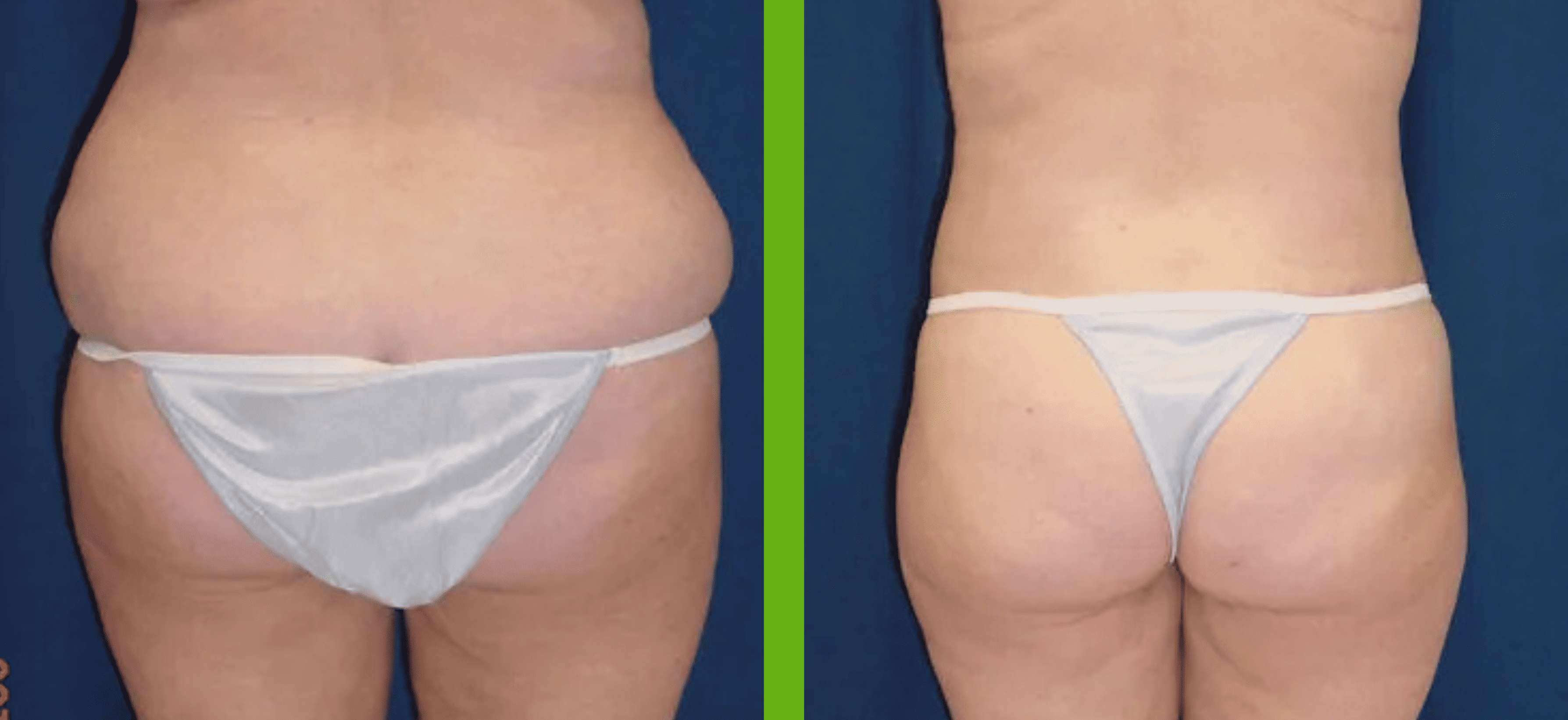
"I had loose skin all around lower waist after major weight loss. Now it feels tight and body shape is finally visible properly. Very happy."
"Dr. Hitesh Sir was Fantastic. First couple of weeks were honestly difficult, movement was restricted and tightness around waist was there. Slowly it got better and I started walking normally. Now excess skin is gone and body contour looks much better than before. Still some stiffness sometimes, but overall happy I did it."
"Shape improvement is clearly visible, especially lower belly area. First days were uncomfortable and I was mostly resting. Now I’m back to normal routine. There’s still slight tightness when I stretch but doctor said it’s normal healing. Overall satisfied, just wish I knew recovery would take this much patience."
How Tele Consultation works
Submit an inquiry
tell us what is troubling you, attach any reports.
A representative
A representative from the medical team will reach out to coordinate a suitable time between you and the specialist.
Instantly via Mobile
You will receive a phone call or video link to join for your appointment with the doctor.
Proper Consultation
Join the meeting and a proper consultation is conducted by the doctor during your assigned time slot. Doctor will provide a diagnosis and treatment plan for your condition.