
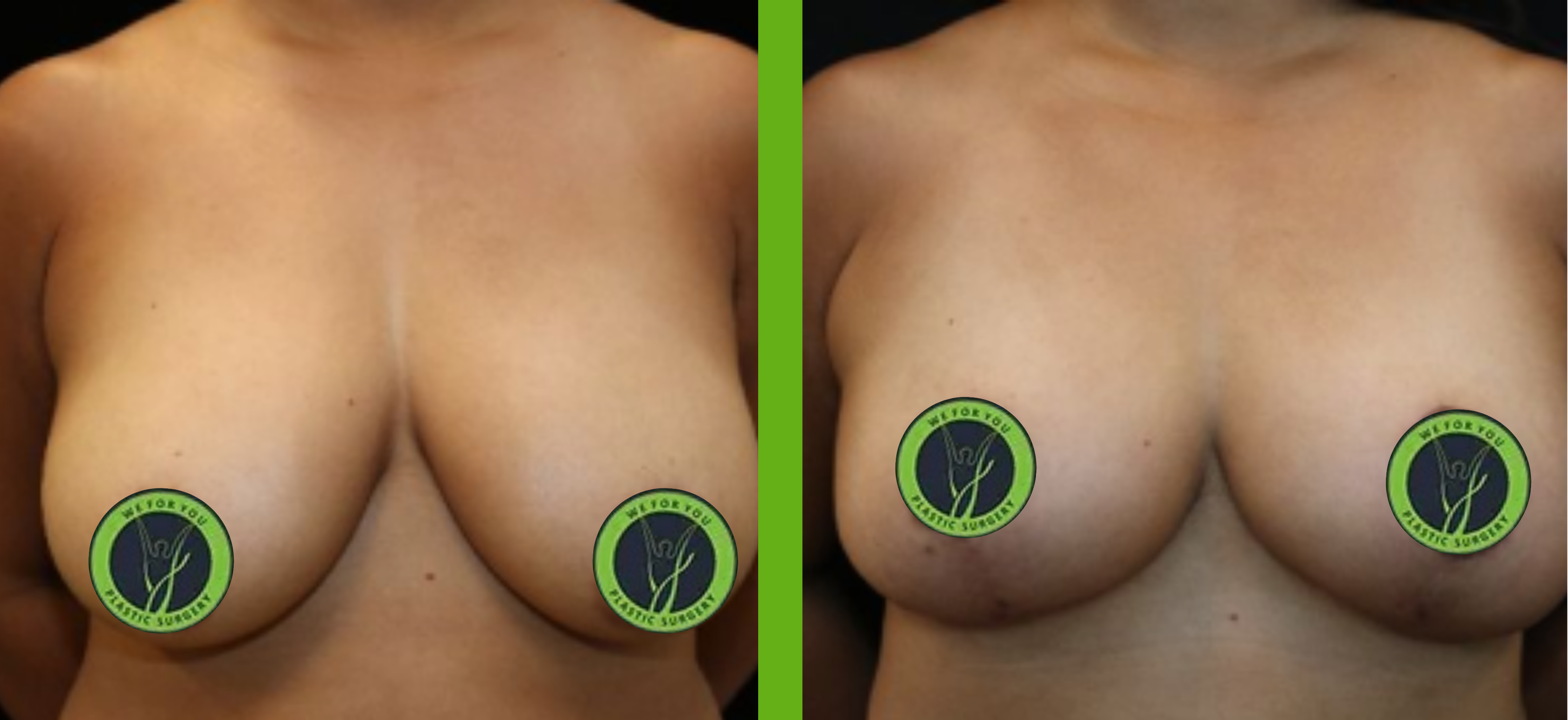
Breast Lift
Over time, breasts can lose firmness and begin to sag due to ageing, pregnancy, breastfeeding, or weight changes. This may occur even if breast size is satisfactory.
Sagging breasts can affect body confidence, making some women feel older or less comfortable in fitted clothing or swimwear.
A breast lift raises and reshapes the breasts by removing excess skin and tightening surrounding tissue. At WFY Plastic Surgery, the goal is to restore a youthful position and contour without making the breasts look unnatural.
What the treatment includes:
- Assessment of breast position, skin elasticity, and volume
- Surgical lifting and reshaping of breast tissue
- Repositioning of nipples to a more youthful level
- Option to combine with augmentation if volume is also desired
- Post-operative care for smooth healing
A breast lift helps restore firmness and confidence while preserving natural shape.
FAQs
1. How does a breast lift differ from breast augmentation?
A breast lift and breast augmentation address different concerns and are often confused.
Breast Lift (Mastopexy):
- Purpose: Raises and reshapes sagging breasts by improving position
- Technique: Removes excess skin, reshapes breast tissue, repositions nipple–areola
- Best for: Normal or small breasts with sagging
- Volume change: Does not increase breast size (may appear slightly smaller due to skin tightening)
- Results: Immediate improvement in shape and lift
- Longevity: Typically lasts 10–15 years
Breast Augmentation:
- Purpose: Increases breast size and volume
- Technique: Places implants or fat to add fullness
- Best for: Small or underdeveloped breasts
- Volume change: Significant size increase
- Results: Gradual, final appearance visible in 4–6 months
- Longevity: Implants may require replacement after 10–20+ years
Can they be combined?
Yes. Many patients benefit from a breast lift with augmentation:
- Lift improves shape and nipple position
- Implants restore lost volume
- Single surgery and recovery
- More dramatic and longer-lasting results than a lift alone
2. Who is an ideal candidate for breast lift surgery?
Ideal candidates typically have:
- Sagging or drooping breasts
- Nipples positioned below the breast crease
- Good overall physical health
- Stable body weight
- Adequate skin elasticity
- No current pregnancy or breastfeeding
- Willingness to stop smoking before and after surgery
- Realistic expectations regarding scars and results
Psychological factors:
- Motivated by personal aesthetic goals
- Understand that aging continues
- Emotionally prepared for surgery and recovery
Age considerations:
- No strict age limit
- Most common in women aged 40–60
- Younger women with post-pregnancy sagging may also be candidates
- Breast development must be complete (usually 18+)
Not ideal candidates include:
- Those seeking size increase alone (augmentation preferred)
- Smokers unwilling to quit
- Patients with uncontrolled medical conditions
- Women currently pregnant or breastfeeding
- Very heavy breasts (reduction may be more appropriate)
3. What are the different breast lift techniques?
Several techniques exist depending on the degree of sagging:
Crescent Lift (Minimal Lift):
- Small incision above the areola
- Best for very mild sagging
- Minimal scarring
- Limited lifting power
Circumareolar / Donut Lift:
- Circular incision around the areola
- Best for mild sagging and areola resizing
- Scars hidden at areola border
- Limited reshaping capability
Vertical / Lollipop Lift (Most Popular):
- Incision around areola + vertical line to breast crease
- Ideal for moderate sagging
- Good reshaping with less scarring than anchor lift
- Excellent balance of lift and scars
Anchor / Inverted-T Lift (Most Extensive):
- Incision around areola, vertical down, and along breast crease
- Best for severe sagging
- Maximum lifting and reshaping
- Most visible scars initially
Your surgeon selects the technique based on anatomy, sagging severity, and goals.
4. How is breast lift surgery performed?
- Duration: 2–3 hours
- Anesthesia: General anesthesia
- Setting: Surgical centre or hospital
- Discharge: Same day or overnight stay
Surgical steps:
- Incision planning based on technique
- Removal of excess skin
- Reshaping and lifting breast tissue
- Repositioning nipple–areola to youthful height
- Possible areola resizing
- Preservation of blood supply and ducts where possible
- Drain placement if required
- Closure with layered sutures
- Support bra applied
5. What is the recovery timeline after a breast lift?
Days 1–3:
- Swelling, bruising, soreness peak
- Compression bra worn continuously
- Limited activity
Days 4–7:
- Pain and swelling improve
- Light daily activities allowed
- Drains removed if present
Weeks 2–4:
- Most bruising resolves
- Return to desk work
- Light activity resumes
Weeks 4–6:
- Gradual return to exercise
- Swelling minimal
3–12 months:
- Final breast shape settles
- Scars fade progressively
Recovery summary:
- Work: 2–4 weeks
- Exercise: 6–8 weeks
- Final results: 3–6 months (refinement up to 12 months)
6. How long do breast lift results last?
- Typical longevity: 10–15 years
- Results may last longer with good skin quality and lifestyle
- Aging, gravity, pregnancy, and weight changes affect longevity
Maintenance tips:
- Maintain stable weight
- Wear supportive bras
- Avoid smoking
- Protect skin from sun damage
Secondary lifts are possible in the future if needed.
7. Can I breastfeed after a breast lift? What about pregnancy?
Breastfeeding:
- Usually possible
- Depends on technique and preservation of ducts
- Vertical and periareolar lifts preserve ducts better
- Waiting a few years post-surgery improves success
Pregnancy:
- Safe after a lift
- Pregnancy and breastfeeding may cause new sagging
- Some women may choose a revision lift later
If future breastfeeding is important, discuss it before surgery.
8. What are the risks and potential complications of a breast lift?
Common (temporary):
- Swelling, bruising
- Pain, tightness
- Temporary numbness
Nipple sensation changes:
- Temporary: common
- Permanent: ~3–15% depending on technique
Less common:
- Infection
- Hematoma or seroma
- Asymmetry
- Poor wound healing
- Visible scarring
Rare but serious:
- Nipple necrosis (higher in smokers)
- Permanent nerve injury
- Blood clots
- Tissue loss
Risk is minimized with an experienced surgeon and strict aftercare.
9. When should I choose a breast lift over other breast procedures?
Choose a breast lift if:
- Sagging is your main concern
- Breast size is acceptable
- Nipples point downward
- You want reshaping without implants
Choose augmentation if:
- Volume increase is your main goal
- Minimal sagging exists
Choose lift + augmentation if:
- You want both lift and fullness
- Breasts are sagging and deflated
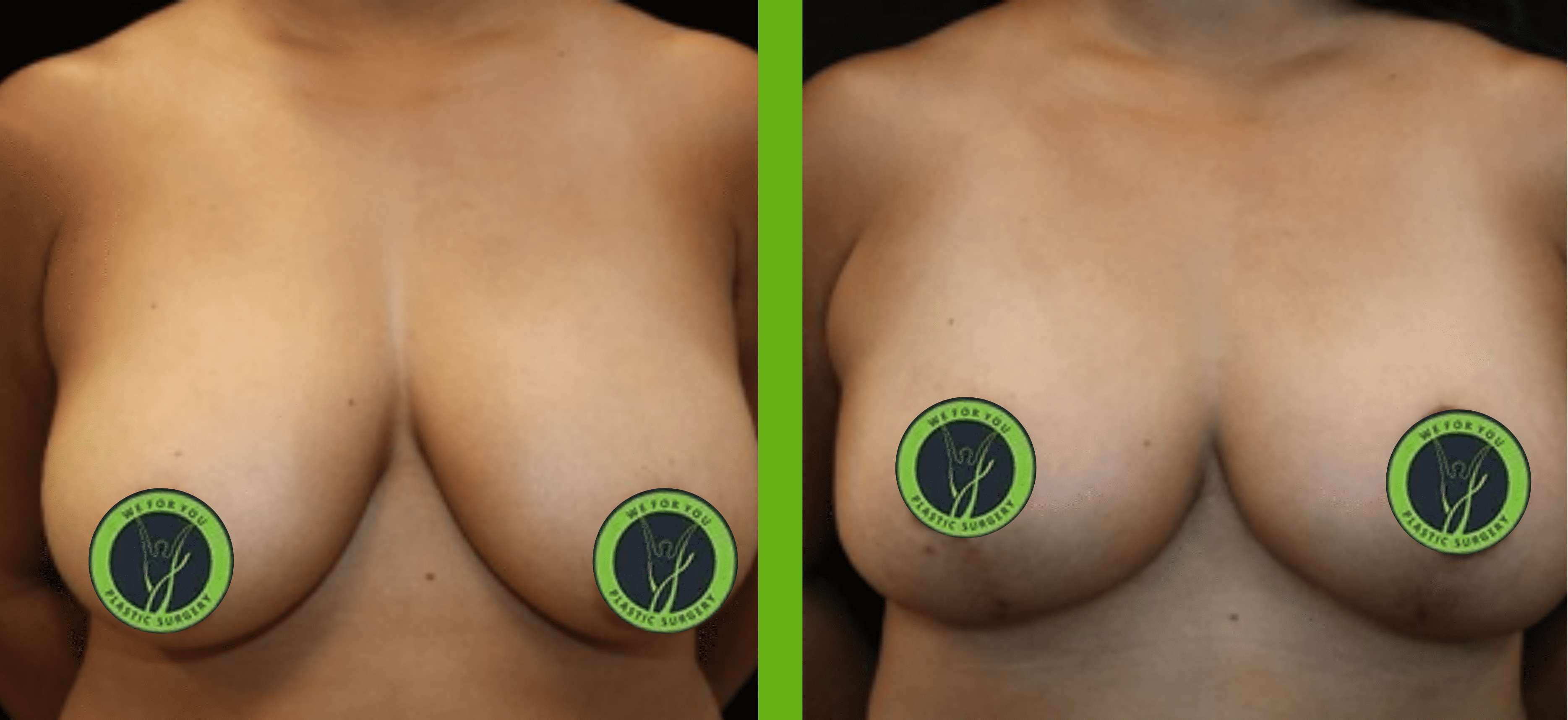
"Good work Doc. Hitesh. I did breast lift after 2 kids and honestly result is really nice. Shape improved a lot and looks more lifted now. First few days tight feeling was there and bit uncomfortable sleeping. But after healing it became normal. Happy with how natural it looks, not overdone."
"Doctor was very polite and explained everything properly. Surgery went smooth, just normal swelling and mild pain for few days. Now breasts look more firm and positioned better. Confidence improved a lot especially in fitted clothes. I was nervous but result turned out better than expected."
"Very happy with result. Looks natural and shape improved a lot."
How Tele Consultation works
Submit an inquiry
tell us what is troubling you, attach any reports.
A representative
A representative from the medical team will reach out to coordinate a suitable time between you and the specialist.
Instantly via Mobile
You will receive a phone call or video link to join for your appointment with the doctor.
Proper Consultation
Join the meeting and a proper consultation is conducted by the doctor during your assigned time slot. Doctor will provide a diagnosis and treatment plan for your condition.