
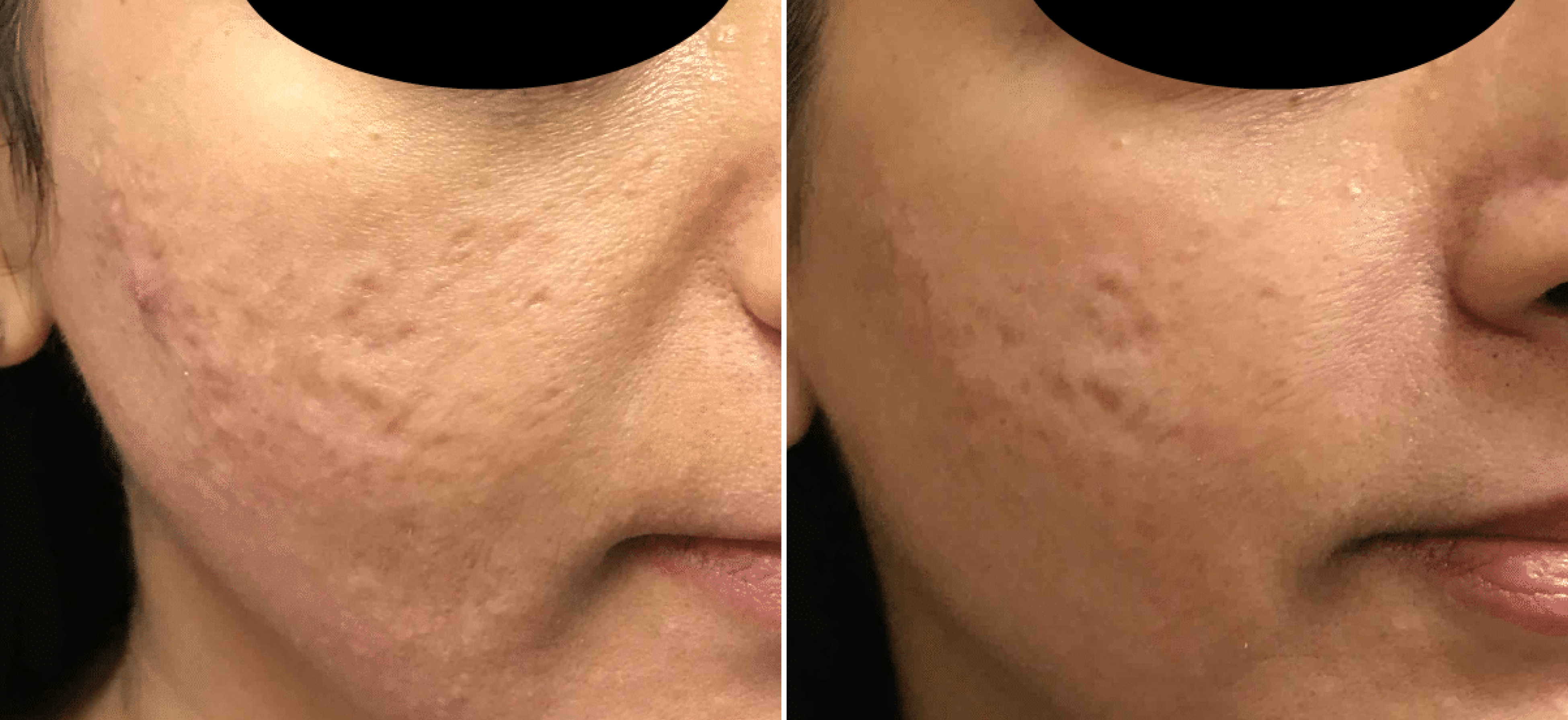
Microneedling
Acne scars, enlarged pores, fine lines, and uneven skin texture can persist even with good skincare. These concerns often develop due to collagen loss, past acne, or skin damage.
When marks and texture issues remain unchanged, they can affect confidence and make skin look older or rougher than it actually is.
Microneedling stimulates the skin’s natural healing process by creating controlled micro-injuries that boost collagen and elastin production. At WFY Plastic Surgery, microneedling is performed with precision to improve skin quality safely.
What the treatment includes
• Skin assessment to identify concerns
• Controlled micro-needling of the skin
• Stimulation of collagen and elastin production
• Improvement in scars, pores, and fine lines
• Gradual skin renewal over multiple sessions
• Post-treatment care guidance
Microneedling helps restore smoother, firmer, and healthier-looking skin over time.
FAQs
1. Does Microneedling Hurt?
Many people worry that microneedling will be painful because it involves needles. In reality, most patients describe the sensation as mild scratching or a rough vibrating feeling on the skin. A strong numbing cream is applied well before the procedure, which makes the treatment comfortable. Some sensitive areas like the forehead may feel slightly more intense, but it is generally well tolerated.
A consultation with a trained specialist can help you understand comfort measures used during the procedure.
2. What Skin Concerns Does Microneedling Treat?
Uneven texture, scars, and dull skin often do not respond well to creams alone. Microneedling works by stimulating the skin’s natural repair process, making it effective for acne scars, fine lines, enlarged pores, uneven skin tone, pigmentation, and even stretch marks on the body. It improves overall skin quality by boosting collagen from within.
A personalised consultation can help determine if microneedling is suitable for your specific skin concern.
3. How Long Is the Downtime After Microneedling?
Fear of long downtime often stops people from opting for treatments. Microneedling usually involves short recovery. Immediately after the session, the skin may look red and feel tight, similar to a sunburn. Over the next few days, redness settles and mild peeling may occur as new skin forms. Most people return to normal routines quickly.
A specialist can guide you on recovery expectations based on your skin type and treatment depth.
4. When Will I See Results From Microneedling?
Expecting instant transformation can lead to disappointment. Some glow and texture improvement may be seen within a week, but true results develop gradually. Microneedling works by stimulating collagen, which takes time to build. Visible improvements in scars, firmness, and texture appear over multiple sessions and continue to improve for months after treatment.
Your doctor can explain realistic timelines during your consultation.
5. How Many Microneedling Sessions Are Needed?
One session is usually not enough for long-term improvement. For general skin rejuvenation, multiple sessions spaced a few weeks apart are recommended. Deeper acne scars or wrinkles may require more sessions for visible correction. Maintenance treatments help sustain collagen production over time.
A treatment plan can be customised after examining your skin during consultation.
6. Is Microneedling Safe for All Skin Types?
Many treatments carry a higher risk of pigmentation in darker skin tones. Microneedling works without heat and does not target skin colour, making it safe for all skin tones when performed correctly. The risk of pigmentation changes is low when proper technique and aftercare are followed.
Consulting an experienced practitioner ensures safe treatment for your skin type.
7. What Is Radiofrequency Microneedling?
Some skin concerns need deeper stimulation. Radiofrequency microneedling combines traditional microneedling with controlled heat delivered into deeper skin layers. This added energy tightens the skin and boosts collagen more effectively, making it useful for deeper acne scars and skin laxity.
A consultation can help decide whether standard or radiofrequency microneedling is better for your goals.
8. Can Microneedling Be Done at Home?
Home devices may seem convenient but often fail to deliver real results. These rollers use short, blunt needles that do not penetrate deeply and may damage the skin or cause infection if misused. Medical microneedling uses precise devices that work at controlled depths under sterile conditions for safe and effective results.
It is best to discuss professional options with a qualified skin specialist.
9. How Should I Care for My Skin After Microneedling?
Improper aftercare can slow healing or cause irritation. After microneedling, the skin needs gentle care. Keeping it clean, avoiding makeup, sweat, and sun initially, and using only recommended products helps recovery. Active skincare ingredients should be avoided until the skin has healed fully.
Your doctor will provide clear aftercare instructions to protect your results.
10. Is Microneedling Right for Me?
Microneedling suits people looking to improve skin texture, scars, and early ageing without surgery. It may not be suitable if there is active infection, severe acne flare, or certain medical skin conditions. Realistic expectations are key to satisfaction.
A detailed consultation with a qualified specialist is the best way to decide if microneedling is the right treatment for you
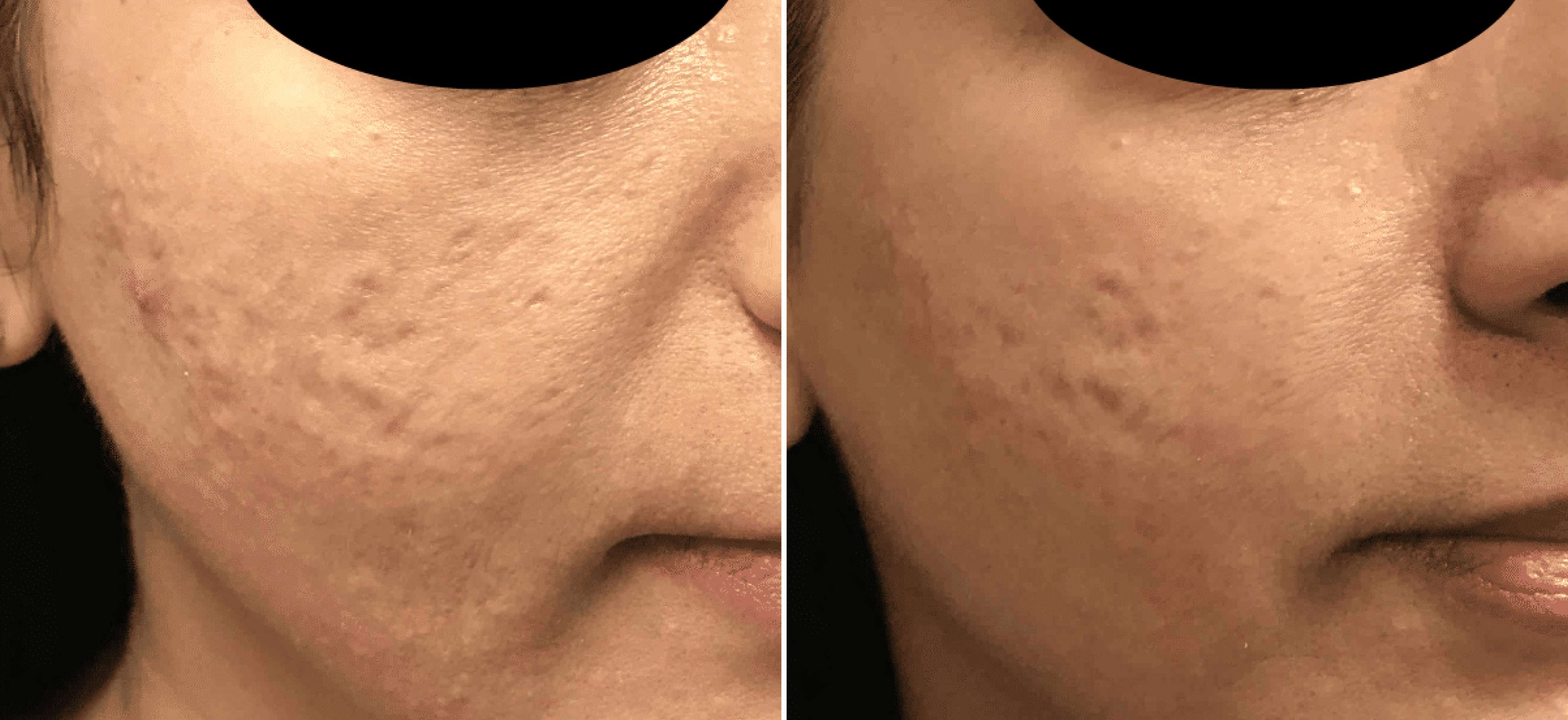
"Tried microneedling for acne scars, was little nervous before. Dr Ritesh did very gently and explained everything. After few days skin started looking smoother, marks reduced slowly, feeling satisfied."
"Thanks Dr Hitesh for microneedling, skin looks clearer and scars look lighter 🙏"
"Texture improved, skin feels nice 🙂"
How Tele Consultation works
Submit an inquiry
tell us what is troubling you, attach any reports.
A representative
A representative from the medical team will reach out to coordinate a suitable time between you and the specialist.
Instantly via Mobile
You will receive a phone call or video link to join for your appointment with the doctor.
Proper Consultation
Join the meeting and a proper consultation is conducted by the doctor during your assigned time slot. Doctor will provide a diagnosis and treatment plan for your condition.