Rhinoplasty (Nose Reshaping Surgery)
The nose plays a central role in facial balance. Even small concerns — a prominent hump, a broad tip, asymmetry, or a crooked appearance — can affect how the entire face looks. For some people, the issue isn’t only cosmetic. Difficulty in breathing due to a deviated septum or nasal injury can interfere with sleep, exercise, and daily comfort.
Over time, these concerns may start affecting confidence. You may feel that your nose draws unwanted attention or that your facial features don’t feel balanced. Some people avoid side-profile photos, while others feel conscious during social interactions. When breathing issues are involved, it can also become a constant physical discomfort, not just an aesthetic one.
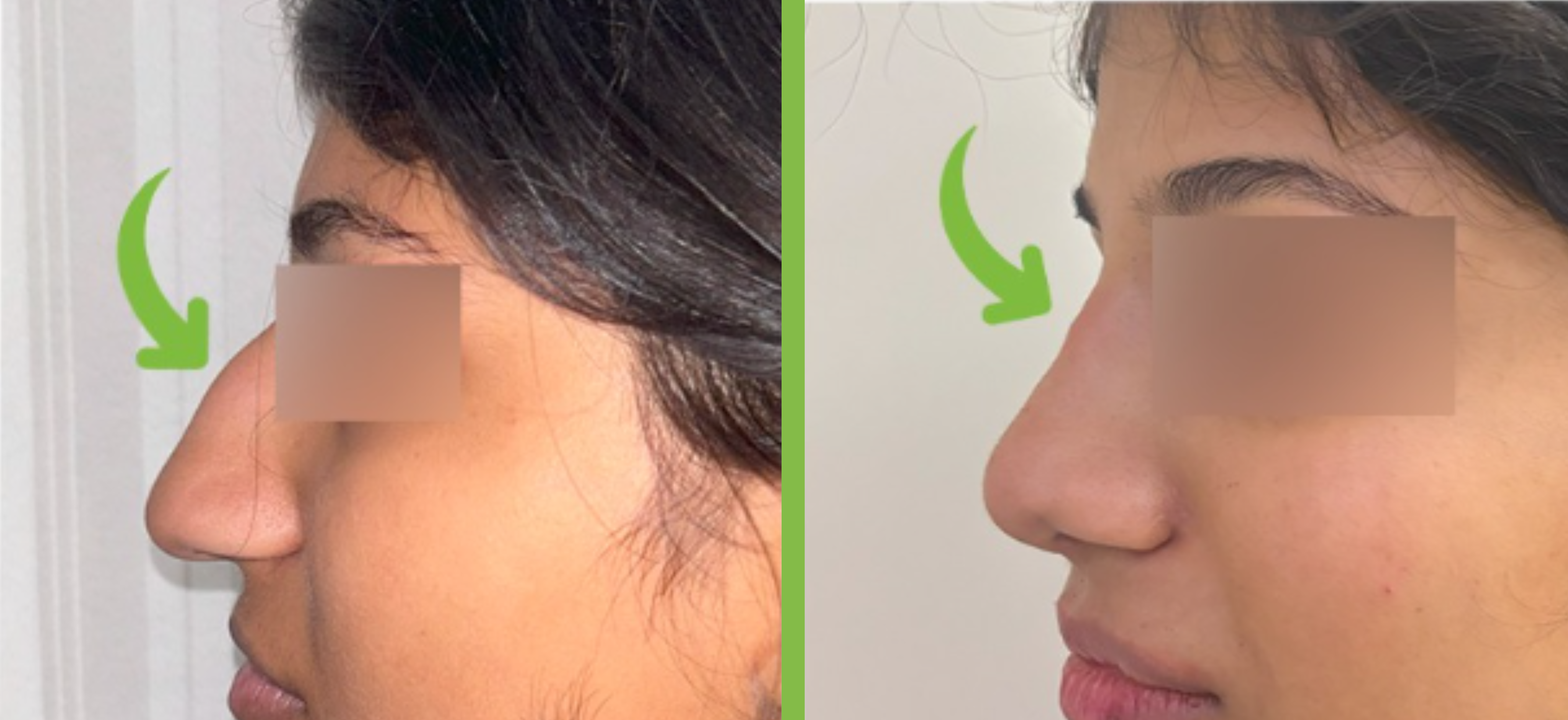
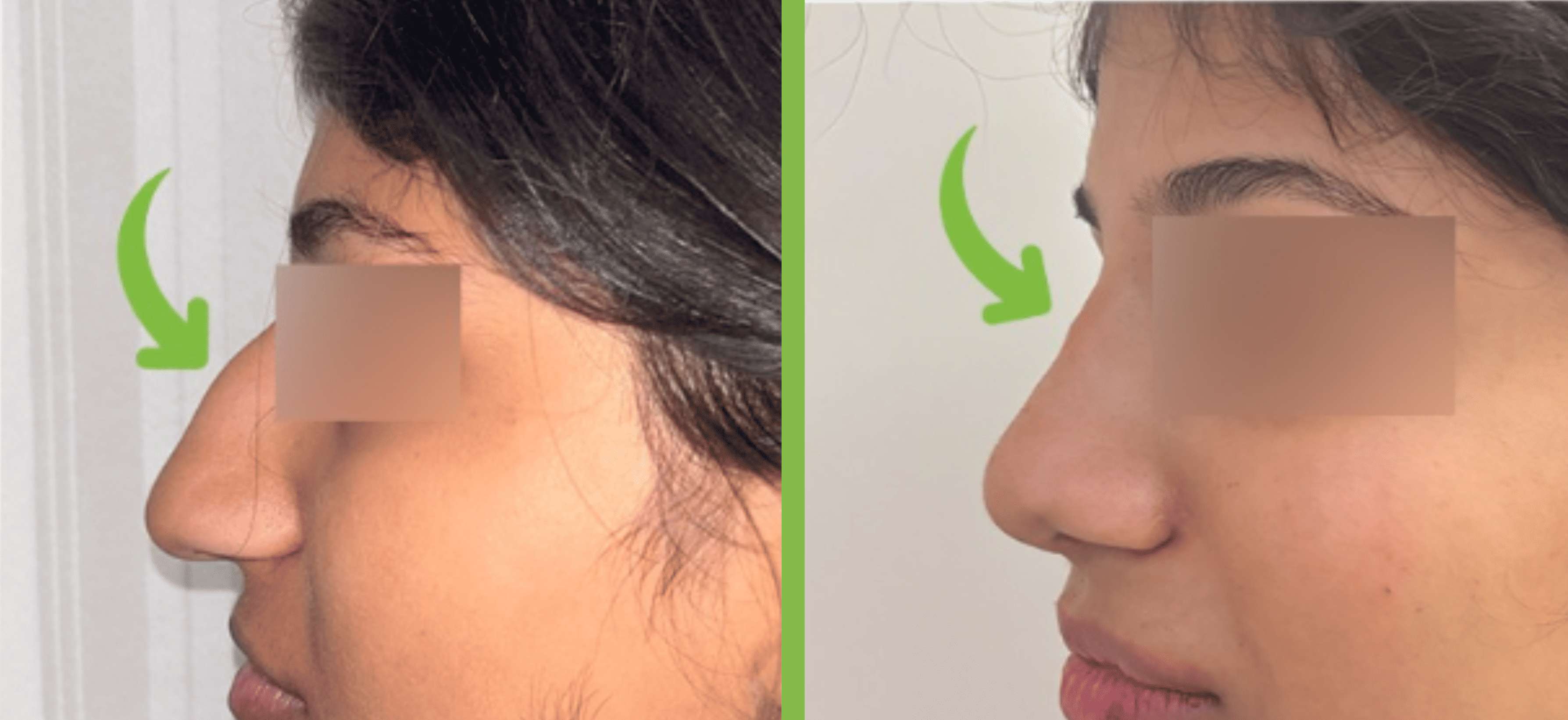
Rhinoplasty, commonly known as nose reshaping surgery, helps improve the shape, size, or function of the nose while maintaining harmony with the rest of the face. At WFY Plastic Surgery, rhinoplasty is planned with precision and restraint — the goal is not to create a “perfect” nose, but one that looks natural and suits your facial structure.
What Rhinoplasty Treatment Includes
At WFY Plastic Surgery, rhinoplasty is always personalised. The procedure may include:
✔ Detailed Facial and Nasal Assessment
Your surgeon carefully evaluates nasal shape, skin thickness, facial proportions, and breathing function before recommending surgery.
✔ Structural Correction
The bone and cartilage of the nose are reshaped to correct concerns such as humps, wide bridges, drooping or bulbous tips, or asymmetry.
✔ Functional Improvement (if required)
If breathing issues are present, correction of a deviated septum or internal nasal structures may be performed along with cosmetic reshaping.
✔ Open or Closed Technique
Depending on your case, the surgery may be done using a closed (internal incisions) or open approach to achieve accurate and controlled results.
✔ Natural Contour Refinement
The aim is to enhance balance between the nose, eyes, lips, and chin — without making the nose look operated or artificial.
✔ Post-Surgery Care & Guidance
Clear recovery instructions and follow-ups are provided to ensure proper healing and gradual improvement in appearance.
Who Can Consider Rhinoplasty
Rhinoplasty may be suitable if you:
- Are unhappy with the shape or size of your nose
- Feel your nose is not in proportion with your face
- Have breathing difficulty due to nasal structure
- Have nasal deformity from injury or birth
Results develop gradually as swelling reduces, revealing a nose that blends naturally with your facial features.
Rhinoplasty is not about changing who you are — it is about refining what already exists. When done thoughtfully, it can improve both appearance and comfort, helping you feel more confident and at ease.
FAQs
1. What is the difference between open and closed rhinoplasty techniques?
Many patients feel confused when they hear terms like open and closed rhinoplasty, and worry whether one technique is better or safer than the other.
Both open and closed rhinoplasty are well-established surgical approaches, and the choice depends on how much reshaping is required. In closed rhinoplasty, all incisions are placed inside the nose. Since there are no external cuts, scars remain completely hidden. This technique is commonly used for minor refinements where limited access is sufficient.
In open rhinoplasty, a small incision is made on the columella along with internal incisions. This allows the surgeon to lift the nasal skin and directly visualise the underlying structures. This approach is preferred in complex cases, significant reshaping, trauma-related deformities, or revision surgeries. While most surgeons prefer the closed approach when suitable, the open technique often provides greater precision when required.
Consult the best plastic surgeon in gurgaon to determine which rhinoplasty approach will give you the safest and most natural result.
2. Am I a good candidate for rhinoplasty and what is the ideal age?
A common concern among patients is whether they are too young, too old, or not suitable for rhinoplasty at all.
Rhinoplasty is usually recommended once facial growth is complete. This typically means 17 to 18 years or older for girls and boys. Performing surgery after full facial development ensures stable and predictable results. There is no upper age limit, provided you are in good overall health.
Ideal candidates are individuals who have realistic expectations, completed facial growth, good general health, emotional maturity, and specific aesthetic or functional concerns. Non-smokers or those willing to stop smoking before surgery are better candidates. Teenagers require parental consent. A detailed evaluation by a qualified surgeon is essential to assess suitability.
Book a consultation with the best plastic surgeon in gurgaon to understand whether rhinoplasty is right for your age, anatomy, and goals.
3. How is rhinoplasty performed and what happens during the procedure?
Many patients feel anxious about what actually happens during rhinoplasty surgery and whether it is painful or complicated.
Rhinoplasty is performed in a fully equipped operating theatre under general anaesthesia or deep sedation. The procedure usually lasts one to three hours, depending on complexity. The surgeon makes incisions either inside the nose or on the columella, based on whether a closed or open approach is used.
Once access is achieved, the surgeon reshapes the nasal bone and cartilage by removing, repositioning, or adding tissue. Cartilage grafts may be taken from within the nose, the ear, or in rare cases the rib, depending on the amount of support needed. After reshaping, the skin is carefully redraped and sutures are placed. A nasal splint is applied to support the nose during healing.
Meet the best plastic surgeon in gurgaon to get a step-by-step explanation of how your rhinoplasty will be planned and performed.
4. What is the recovery timeline and what should I expect after surgery?
Many people postpone rhinoplasty because they fear long recovery time or visible signs of surgery.
Recovery is usually smoother than expected. Immediately after surgery, rest with your head elevated helps reduce swelling. A nasal splint protects the nose, and mild congestion is common.
During the first three days, swelling and bruising peak, especially around the eyes. By the end of the first week, the splint is usually removed, and most patients return to light daily activities. Over the next two to three weeks, visible swelling reduces significantly, and many people feel comfortable resuming work and social life.
Most physical activities can be resumed after four to six weeks. While noticeable improvement appears early, subtle swelling continues to settle over several months. Final refinement may take up to a year.
Discuss a personalised recovery plan with the best plastic surgeon in gurgaon so you know exactly what to expect at every stage.
5. Is rhinoplasty covered by insurance?
Many patients are unsure whether rhinoplasty qualifies for insurance coverage and what documentation is required.
Cosmetic rhinoplasty is usually not covered by insurance, as it is considered an elective procedure aimed at improving appearance. These costs are typically paid out of pocket.
However, functional rhinoplasty may be covered if the surgery is medically necessary. This includes correction of breathing difficulties due to a deviated septum, nasal trauma, or structural abnormalities affecting airflow. Insurance approval usually requires medical documentation, diagnostic reports, and pre-authorisation.
Consult the best plastic surgeon in gurgaon to understand whether your rhinoplasty qualifies as functional and how to navigate insurance requirements.
6. What are the risks and potential complications of rhinoplasty?
It is natural to be concerned about safety and possible complications before undergoing surgery.
Rhinoplasty is a safe procedure when performed by an experienced plastic surgeon. Possible risks include bleeding, infection, swelling, temporary numbness, changes in skin sensation, breathing difficulty, scarring, or dissatisfaction with appearance. Rare complications include septal perforation, prolonged numbness, or the need for revision surgery.
Most risks can be significantly reduced by choosing a qualified surgeon, undergoing proper evaluation, and strictly following pre and post-operative instructions.
Choose the best plastic surgeon in gurgaon to minimise risks and ensure a safe, well-planned rhinoplasty experience
Our Videos
"Love the result. Looks natural. Thanks to Dr. Hitesh."
"I was not 100% sure before doing this surgery. My nose was slightly crooked and it used to bother me in side profile pics a lot. After rhinoplasty, it looks much straighter now. Swelling was there for few weeks and I got worried a bit, but doctor said it’s normal. Overall I feel more confident now, so yeah good decision."
"Thank You Dr. Ritesh. first few days were not easy… little pain and breathing issue also. i thought why i did this. but after 1–2 months things started settling. shape is nice now, not too sharp just simple. still little stiffness sometimes but manageable. experience was ok ok."
How Tele Consultation works
Submit an inquiry
tell us what is troubling you, attach any reports.
A representative
A representative from the medical team will reach out to coordinate a suitable time between you and the specialist.
Instantly via Mobile
You will receive a phone call or video link to join for your appointment with the doctor.
Proper Consultation
Join the meeting and a proper consultation is conducted by the doctor during your assigned time slot. Doctor will provide a diagnosis and treatment plan for your condition.