
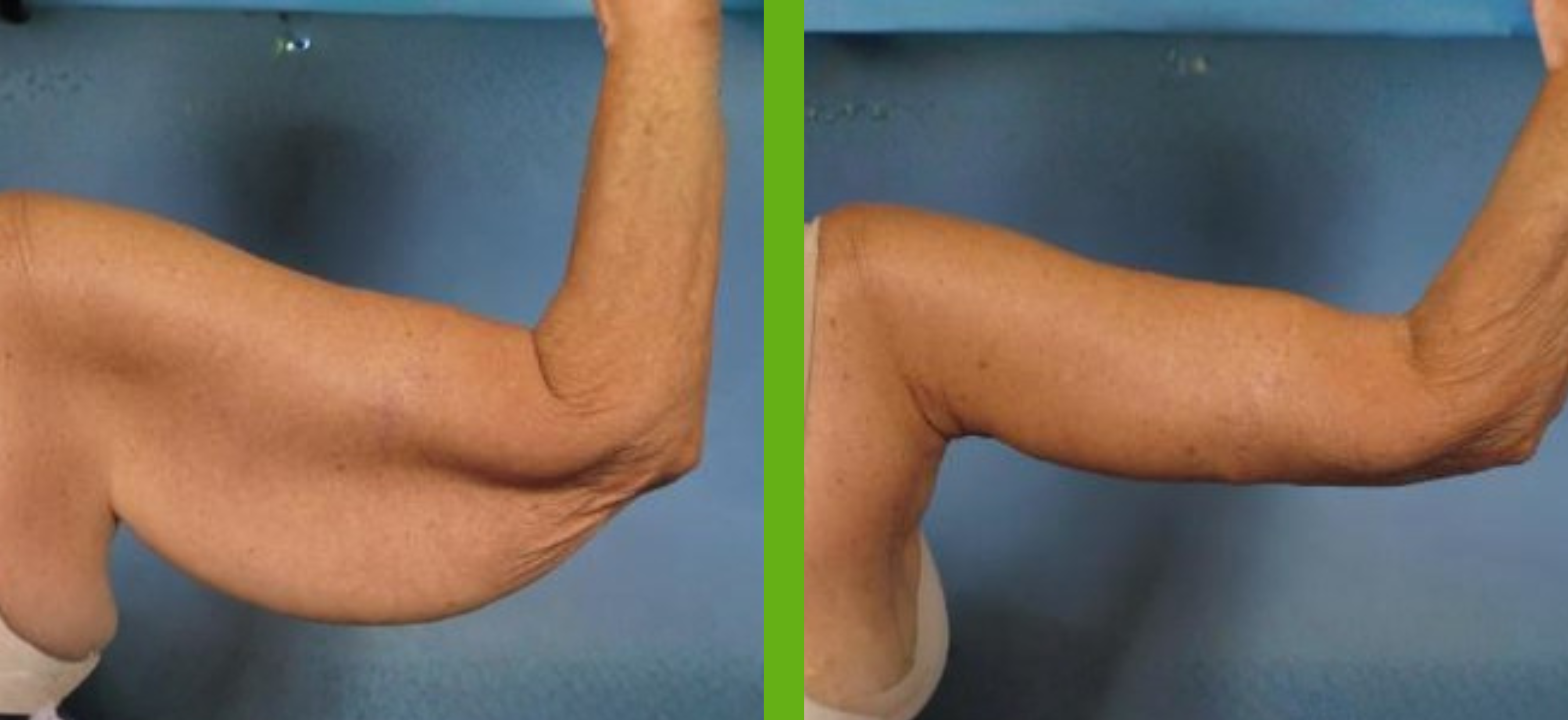
Arm Lift (Brachioplasty)
Loose or sagging skin on the upper arms can develop due to ageing, significant weight loss, or loss of skin elasticity. Even with regular exercise, this excess skin often does not tighten on its own.
This can make many people feel uncomfortable wearing sleeveless clothes or raising their arms in public. Over time, it may affect confidence and restrict clothing choices, despite overall good health and fitness.
An arm lift removes excess skin and fat from the upper arms to create a firmer, more toned appearance. At WFY Plastic Surgery, the procedure is planned carefully to improve arm contour while keeping scars as discreet as possible.
What the treatment includes
• Assessment of skin laxity and fat distribution in the arms
• Removal of excess loose skin and fat
• Reshaping of the upper arm for smoother contours
• Strategic incision placement to reduce visible scarring
• Guidance on compression garments and recovery
• Follow-up visits to ensure proper healing
An arm lift helps restore confidence by allowing your arms to look as fit and firm as you feel.
FAQs
1. What Are the Different Types of Arm Lift Procedures?
Loose, hanging skin on the upper arms often does not respond to exercise or weight loss, leaving many people frustrated with the way their arms look in fitted or sleeveless clothing. What adds to the confusion is that arm lift surgery is not a single standard procedure. The approach is customised based on how much skin and fat excess is present and how your arms are shaped.
A full brachioplasty is recommended when there is significant sagging and excess skin along the entire upper arm. This procedure removes loose skin and fat from the elbow up to the armpit, creating a firmer and more toned arm contour.
A mini arm lift is suitable for mild to moderate skin laxity, usually limited to the lower part of the upper arm. It involves a shorter incision and is often chosen by younger patients or those with early skin loosening.
An extended arm lift is used when excess skin and fat extend beyond the arms into the armpit or side of the chest. This technique improves overall upper body contour and avoids leaving untreated folds in the underarm area.
In cases where the concern is excess fat rather than loose skin, liposuction alone may be sufficient, provided the skin has good elasticity. Many patients benefit from a combination of brachioplasty and liposuction to achieve smoother, more defined arms.
A detailed arm lift consultation with an experienced plastic surgeon helps determine which technique will give you the safest and most natural-looking result based on your anatomy and goals.
2. Who Is an Ideal Candidate for Arm Lift Surgery, and What Conditions May Disqualify Someone?
Many people feel self-conscious about loose upper arms but are unsure whether they are suitable candidates for brachioplasty. Arm lift surgery delivers the best results when performed on patients who meet specific health and lifestyle criteria.
You may be an ideal candidate if you have noticeable loose or sagging skin on your upper arms, are at a stable weight, and are in good overall health. Non-smokers or those willing to stop smoking before and after surgery generally heal better and face fewer complications. Emotional readiness and realistic expectations about scarring are equally important.
Certain conditions may increase surgical risks, including uncontrolled diabetes, heart disease, bleeding disorders, poor wound healing history, recent major weight fluctuations, or unrealistic expectations. Patients who have experienced massive weight loss are often excellent candidates, as arm lift surgery is specifically designed to address post-weight-loss skin laxity.
A personalised evaluation by a qualified plastic surgeon is essential to confirm whether arm lift surgery is right for you and to plan the procedure safely.
3. What Is the Arm Lift Surgery Procedure Like, and How Long Does It Take?
Fear of the unknown often makes patients anxious about surgery. Understanding how brachioplasty is performed helps set realistic expectations and reduces stress.
On the day of surgery, you arrive early for preparation, final markings, and anaesthesia assessment. Arm lift surgery is typically performed under general anaesthesia. If excess fat is present, liposuction may be performed first through small incisions to refine arm contours.
The surgeon then removes excess skin through a carefully placed incision along the inner or back side of the arm. The underlying tissues are tightened, and the skin is repositioned to create a smoother, firmer appearance. The procedure usually takes one to three hours, depending on complexity, and most patients return home the same day.
Consulting a board-certified plastic surgeon ensures the surgical plan is tailored to your arm anatomy, improving both safety and final results.
4. What Is the Recovery Timeline, and What Activities Are Restricted After an Arm Lift?
Recovery after arm lift surgery is generally smooth, but ignoring restrictions can compromise results. The early healing phase is crucial for proper scar formation and arm contour.
During the first week, swelling, bruising, and mild to moderate discomfort are normal. Rest is important, though light walking is encouraged. Heavy lifting, exercise, and repetitive arm movements must be avoided. Compression garments help reduce swelling and support healing.
Between weeks two and four, discomfort reduces significantly, and light daily activities can resume. Office-based work is often possible within one to two weeks, while physically demanding jobs require more recovery time. By six weeks, most patients are cleared for regular exercise.
Following post-operative instructions closely and attending follow-up visits helps ensure a smoother recovery and long-lasting arm lift results.
5. What Will the Scars Look Like, and How Can They Be Minimized?
Visible scarring is one of the biggest concerns patients have about brachioplasty. While scars are unavoidable, their appearance improves significantly with proper technique and care.
The incision is typically placed along the inner or back side of the arm, where it is less noticeable when the arms are at rest. Initially, scars appear red and raised, but they gradually flatten and fade over several months.
Scar quality depends on surgical skill, genetics, sun exposure, nutrition, and post-operative care. Silicone-based treatments, sun protection, hydration, and smoking avoidance play a major role in scar improvement.
An experienced plastic surgeon can guide you on scar management strategies to ensure the best possible cosmetic outcome.
6. What Are the Potential Risks and Complications of Arm Lift Surgery?
Every surgical procedure carries some risk, and arm lift surgery is no exception. Understanding potential complications helps patients make informed decisions.
Common issues include swelling, bruising, temporary numbness, and mild discomfort, which usually resolve with time. Less common risks include infection, fluid accumulation, delayed wound healing, noticeable scarring, or asymmetry.
The likelihood of complications is significantly reduced by choosing a skilled plastic surgeon, stopping smoking, following recovery guidelines, and reporting any unusual symptoms early.
A thorough pre-surgical discussion ensures you understand both the benefits and risks of brachioplasty.
7. Is Arm Lift Surgery Permanent, and How Do Weight Changes Affect Results?
Patients often worry that loose skin may return after surgery. The excess skin removed during an arm lift is permanently gone, making the results long-lasting.
However, significant weight gain can stretch remaining tissues and reduce arm definition, while major weight loss may lead to some new looseness. Natural ageing also affects skin elasticity over time, though arms usually remain far firmer than before surgery.
Maintaining a stable weight, healthy lifestyle, regular exercise, and good skin care helps preserve arm lift results for many years.
8. How Much Does Arm Lift Surgery Cost, and Is It Covered by Insurance?
Cost is an important factor when considering arm lift surgery. In most cases, brachioplasty is classified as a cosmetic procedure and is not covered by insurance.
The total cost depends on surgeon experience, procedure complexity, facility charges, anaesthesia fees, and location. Many clinics offer financing options to make arm lift surgery more accessible.
In rare cases involving massive weight loss with functional issues, partial insurance coverage may be possible, subject to strict documentation and approval.
Discussing costs transparently during your consultation helps you plan confidently without surprises.
9. How Do I Choose the Best Arm Lift Surgeon, and What Should I Do Before Surgery?
Choosing the right plastic surgeon directly impacts safety, scarring, and overall satisfaction. Poor technique can result in visible scars, uneven arms, or prolonged recovery.
Look for a board-certified plastic surgeon with extensive experience in arm lift surgery. Review genuine before-and-after photos, ask about complication rates, and ensure the procedure is performed in an accredited facility.
Proper preparation includes quitting smoking, completing medical evaluations, stopping certain medications and supplements, arranging help at home, and following all pre-operative instructions carefully. A well-prepared patient heals better and achieves more predictable results.
Scheduling a comprehensive arm lift consultation allows you to clarify doubts, understand your options, and move forward with confidence.
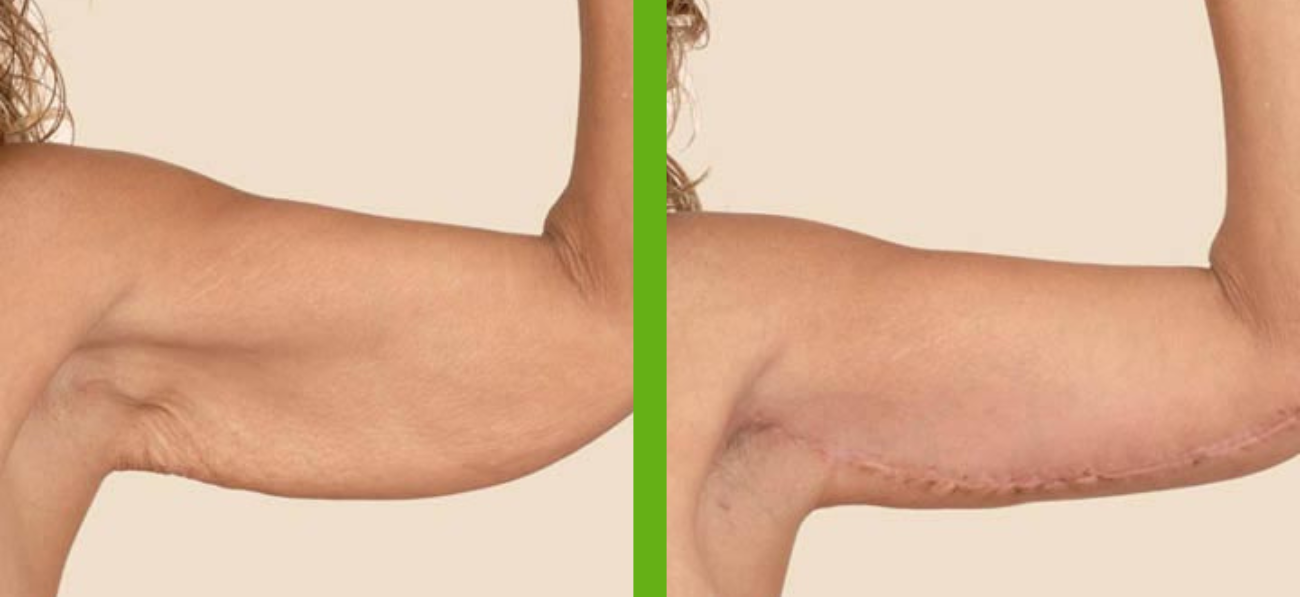
"I was very conscious of loose arm skin. Now arms look toned and I can wear sleeveless without thinking twice."
"Surgery went smoothly overall. First week I had tightness in arms and lifting them was slightly painful, so daily work was a bit slow. After 2–3 weeks it got better gradually. Now the loose skin is gone and arms look more firm and shaped. Scar is there but doctor said it will fade over time. Overall happy with the result, just recovery needs patience."
"Dr. Ritesh, really appreciate. Arms look slimmer now. First few days were a bit uncomfortable but manageable. I can see clear difference in clothes fitting."
How Tele Consultation works
Submit an inquiry
tell us what is troubling you, attach any reports.
A representative
A representative from the medical team will reach out to coordinate a suitable time between you and the specialist.
Instantly via Mobile
You will receive a phone call or video link to join for your appointment with the doctor.
Proper Consultation
Join the meeting and a proper consultation is conducted by the doctor during your assigned time slot. Doctor will provide a diagnosis and treatment plan for your condition.