Facial Fat Grafting
Ageing doesn't just loosen the skin, it quietly drains the face of its volume. The cheeks flatten. The under-eyes hollow. The temples sink. And no matter how much you rest or how carefully you eat, the face in the mirror keeps looking a little more gaunt, a little more tired than you feel inside.
Fillers help, for a while. But they address the surface, not the structure. What's actually been lost is fat, the natural padding that gives a youthful face its softness, lift, and dimension.
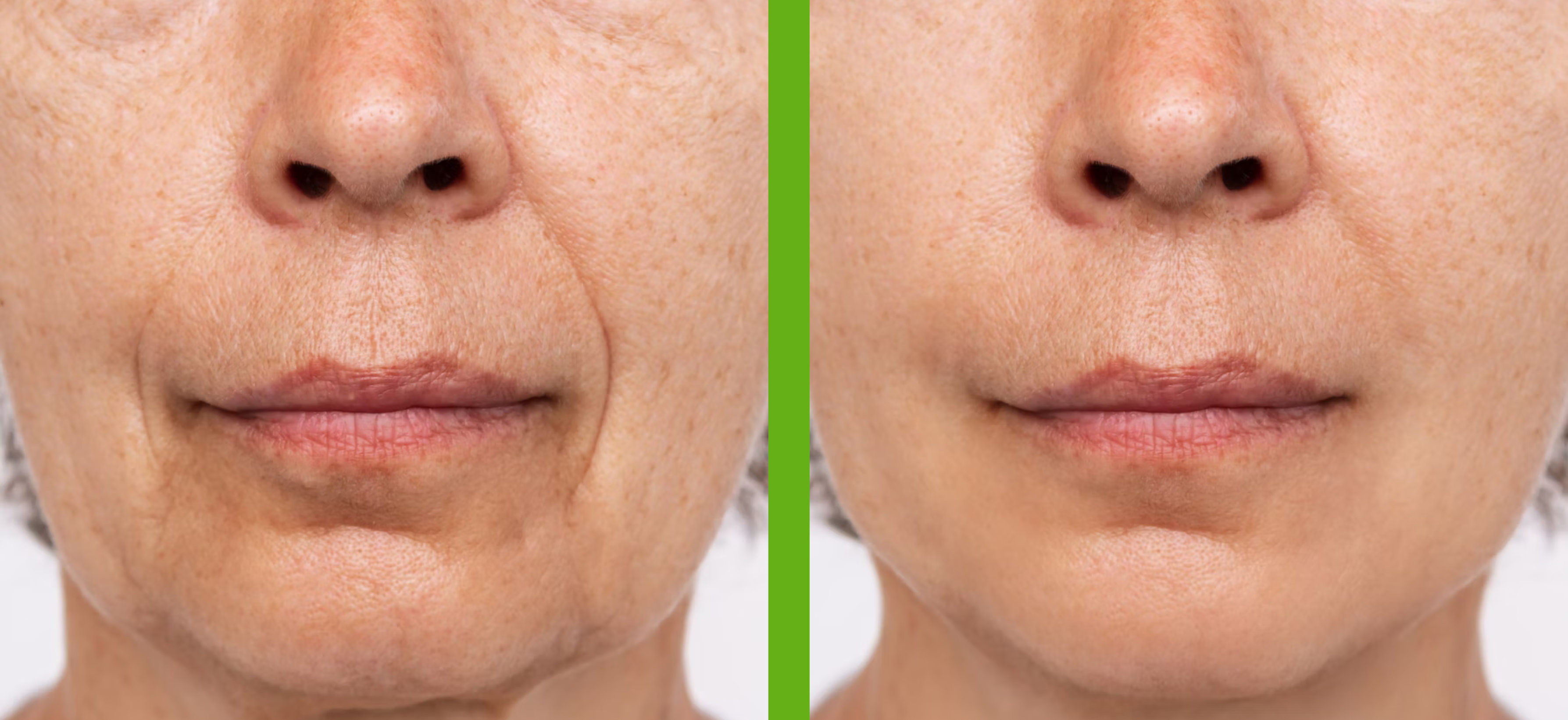
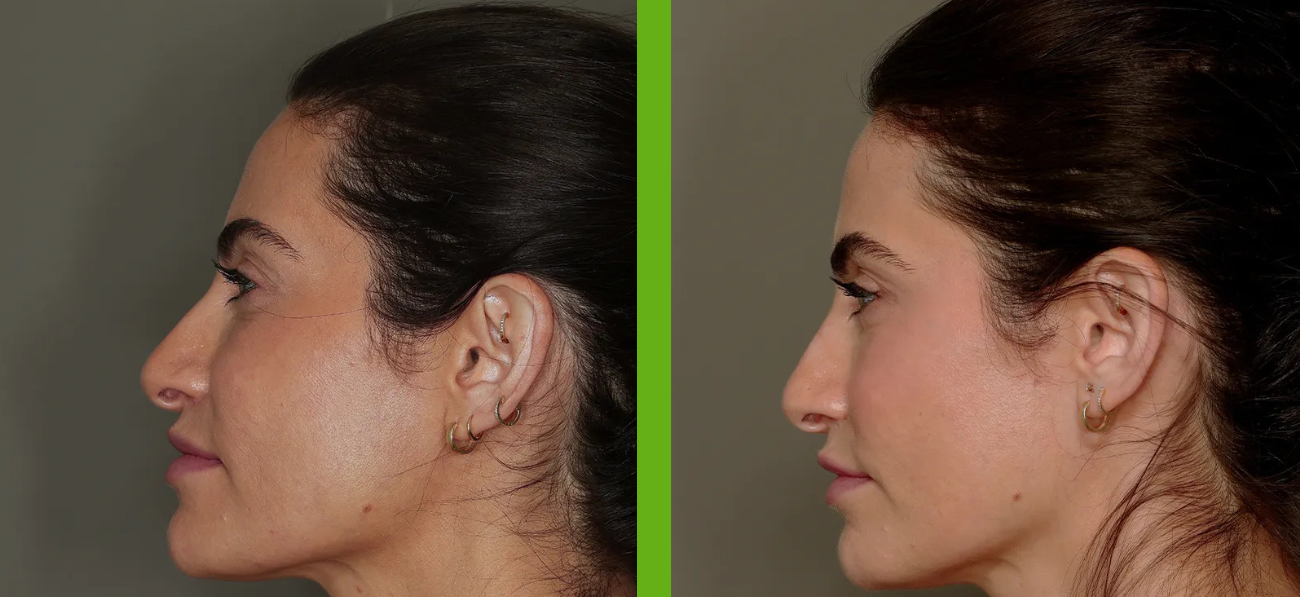
Facial fat grafting restores this volume permanently, using your own fat harvested from elsewhere in the body. At WFY Plastic Surgery, fat grafting is performed with precision and an artistic eye, ensuring results that look like a refreshed version of you, not an altered one.
What the treatment includes at WFY Plastic Surgery:
- Detailed assessment of facial volume loss and proportions
- Fat harvesting from a suitable donor site (abdomen, thighs, or flanks)
- Careful purification and preparation of fat cells
- Precise, layered injection into target areas of the face
- Combined procedures planned where appropriate
- Clear post-procedure care and follow-up support
FAQs
1. What is facial fat grafting and how is it different from fillers?
Many patients have tried fillers and wonder why they keep needing more, or why the result never quite feels right.
Facial fat grafting, also called fat transfer or lipofilling, is a surgical procedure that uses your own fat to restore lost facial volume. Fat is removed from a donor site on your body, purified, and then carefully re-injected into areas of the face that have thinned or hollowed with age.
The key difference from fillers is permanence and naturalness. Fillers are temporary, they dissolve over months and need to be repeated. Fat grafting, once the transferred fat has established itself, becomes a permanent part of your face. It moves with you, ages with you, and feels completely natural because it is your own tissue.
WFY’s experienced surgeons will guide you in choosing the right approach.
2. Which areas of the face can be treated with fat grafting?
Patients are often surprised by how many concerns a single fat grafting session can address at once.
Fat grafting is highly versatile. The most commonly treated areas include the under-eye hollows (tear troughs), the cheeks and mid-face, the temples, the nasolabial folds, the jawline, and fine lines around the mouth and lips.
In many cases, subtle volume loss in multiple areas is what makes a face look prematurely aged. Addressing several zones in one procedure creates a more balanced, harmonious result than targeting a single area in isolation.
Speak with the best plastic surgeon at WFY to identify which areas would benefit most from fat grafting in your specific case.
3. Who is a good candidate for facial fat grafting?
Not everyone experiencing facial ageing is automatically suited for this procedure, which is why a careful evaluation matters.
Ideal candidates are individuals who have noticeable facial volume loss due to ageing, significant weight loss, or naturally thin facial features. Patients in their 30s, 40s, 50s, and beyond can all benefit, depending on their anatomy and concerns.
Good candidates should be in stable general health, at a relatively stable weight, non-smokers or willing to stop smoking before surgery, and have realistic expectations about outcomes. Those who are very underweight or who fluctuate significantly in weight may not retain transferred fat as predictably.
Book a consultation with the best plastic surgeon at WFY.
4. How is facial fat grafting performed?
Fear of the unknown often holds patients back — understanding the process makes the decision much easier.
The procedure takes place in three stages. First, fat is harvested using a small cannula from a donor area such as the lower abdomen or inner thighs. This is done gently to keep fat cells intact and viable. The fat is then processed in a centrifuge to isolate the purest, healthiest cells, separating them from fluids and debris.
Finally, the purified fat is re-injected into the face using fine cannulas. Small amounts are placed in multiple layers across the target areas, building natural-looking volume gradually. The whole procedure typically takes one to two hours and is performed under local anaesthesia with sedation, or general anaesthesia for more extensive work.
5. What is the recovery timeline after facial fat grafting?
Knowing what to expect after surgery helps patients plan practically and feel less anxious about the process.
Swelling and bruising are expected in the first week — at both the donor site and the face. Most patients take seven to ten days away from work and social commitments. By the end of the second week, bruising typically fades and swelling reduces significantly.
Over the following four to six weeks, the face continues to settle. Final results are usually visible between three and six months post-procedure, once the transferred fat has fully integrated and the surrounding tissues have adapted.
6. Is the fat transfer permanent, and how much fat actually survives?
Patients often want honest answers about longevity before committing to surgery.
Not all transferred fat survives the process — this is normal and expected. Typically, around sixty to seventy percent of injected fat establishes a permanent blood supply and remains in place. Experienced surgeons account for this by slightly overcorrecting at the time of injection, knowing the result will settle naturally.
The fat that does survive becomes a permanent part of your face. Unlike fillers, it does not dissolve. Natural ageing continues over the years, but the restored volume remains stable and does not require repeat treatments.
7. What are the risks and possible complications of facial fat grafting?
Every surgical procedure carries some risk, even in experienced hands — being informed is part of making a good decision.
Common temporary effects include swelling, bruising, firmness, and mild irregularities as the fat settles. These resolve on their own over weeks. Less common risks include uneven volume distribution, partial reabsorption requiring a touch-up session, or infection.
Serious complications such as fat necrosis or vascular injury are rare and are minimised through careful surgical technique, appropriate patient selection, and thorough post-operative care.
Schedule a consultation with the best plastic surgeon in gurgaon to see how a brow lift can enhance your facial balance and confidence.
Our Videos
How Tele Consultation works
Submit an inquiry
tell us what is troubling you, attach any reports.
A representative
A representative from the medical team will reach out to coordinate a suitable time between you and the specialist.
Instantly via Mobile
You will receive a phone call or video link to join for your appointment with the doctor.
Proper Consultation
Join the meeting and a proper consultation is conducted by the doctor during your assigned time slot. Doctor will provide a diagnosis and treatment plan for your condition.